


Twelve and twenty kilowatts are the sizes people land on when a normal 6 to 8 kW system is not enough: an all-electric house, a heat pump plus an EV, a shop, a small farm, or an off-grid home that has to get through December. They are also the sizes where mistakes get expensive.
This guide does the math first (output, panel count, cost, battery and inverter sizing) and then compares seven in-stock builds side by side. If you are not sure you need this much, start with what size solar system do I need. For the sizes around it, see our 8kW solar system price and 15kW solar system guides. You can also browse the 12kW solar systems and 20,000-watt solar systems we stock.
What 12kW and 20kW really mean
The number in a listing title can describe two different things, and at this size the gap between them is thousands of dollars.
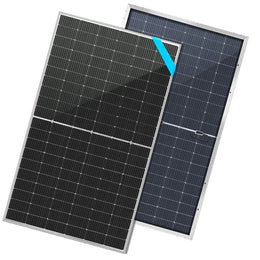
- Array size (kW of panels). This sets how much energy you make per day. A 20 kW array is about 45 panels of 440 to 450 W.
- Inverter output (kW of AC power). This sets how many appliances can run at the same moment. A "20kW kit" usually means two 10 kW inverters in parallel, and it may ship with fewer than 20 kW of panels.
- Battery size (kWh). This sets how long you run without sun. It is a different unit: a 12,000 kWh figure is a year of energy use, not a system size.
Two examples from our own shelves show why this matters. The Sungold SGR-20K32P has 20,000 W of inverter output but 14.4 kW of panels. The EG4 12kW systems have a 12,000 W inverter and no panels at all, so you choose the array yourself. The comparison table lists array, inverter and battery separately for every build.
| Term | Unit | What it decides | 12 kW class | 20 kW class |
|---|---|---|---|---|
| Array | kW (DC) | Energy per day | 27 to 28 panels of 440-450 W | 45 to 46 panels of 440-450 W |
| Inverter | kW (AC) | Loads at the same time | 1 x 12 kW unit, 50 A at 240V | 2 x 10 or 12 kW units, 83 to 100 A at 240V |
| Battery | kWh | Hours without sun | 10 to 30 kWh typical | 30 to 60 kWh typical |
| Battery current at 48V | A | Full power from battery alone | about 270 A | about 450 A |
How much 12kW and 20kW systems produce
We use the same formula in every guide: kWh per day = array kW x peak sun hours x 0.77. The 0.77 covers inverter, wiring, temperature and dirt losses. For your exact roof, tilt and shade, run the free NREL PVWatts calculator.

| Peak sun hours | 12 kW per day | 12 kW per month | 20 kW per day | 20 kW per month |
|---|---|---|---|---|
| 3.5 (Seattle, upstate New York) | 32.3 kWh | 970 kWh | 53.9 kWh | 1,617 kWh |
| 4.5 (US average) | 41.6 kWh | 1,247 kWh | 69.3 kWh | 2,079 kWh |
| 5.5 (Texas, Florida) | 50.8 kWh | 1,525 kWh | 84.7 kWh | 2,541 kWh |
| 6.5 (Arizona, Nevada) | 60.1 kWh | 1,802 kWh | 100.1 kWh | 3,003 kWh |
The average US home uses about 29 kWh a day, roughly 880 kWh a month. At average sun a 12 kW array makes about 42 kWh a day, 143% of that. A 20 kW array makes about 69 kWh a day, 239% of it. So a 12 kW system already overproduces for a typical gas-heated home, and 20 kW is built for homes that use two to three times the average.
What pushes a home into that range: an EV adds roughly 0.25 to 0.35 kWh per mile, so 13,500 miles a year is about 11 kWh a day per car. Central air can use 20 to 30 kWh on a hot day and an electric water heater 8 to 12 kWh. Add up 12 months of utility bills before choosing a size.
How many panels and how much roof
Panel count depends only on panel wattage. Bigger panels mean fewer pieces and fewer connections, but each one is longer and heavier, which matters on a roof.
| Panel | For 12 kW | Area / weight | For 20 kW | Area / weight |
|---|---|---|---|---|
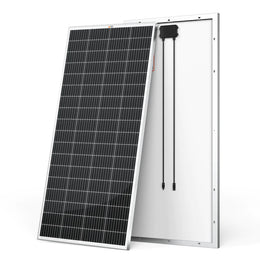
| Sungold 440W N-type (67.8 x 44.65 in, 46.3 lb) | 28 panels (12.32 kW) | 589 sq ft / 1,296 lb | 46 panels (20.24 kW) | 967 sq ft / 2,130 lb |
| Sungold 450W bifacial N-type (69.37 x 44.65 in, 53.35 lb) | 27 panels (12.15 kW) | 581 sq ft / 1,440 lb | 45 panels (20.25 kW) | 968 sq ft / 2,401 lb |
| Sungold 560W bifacial (89.8 x 44.7 in, 70.4 lb) | 22 panels (12.32 kW) | 613 sq ft / 1,549 lb | 36 panels (20.16 kW) | 1,003 sq ft / 2,534 lb |
| Sungold 590W bifacial N-type (89.69 x 44.65 in, 69.45 lb) | 21 panels (12.39 kW) | 584 sq ft / 1,458 lb | 34 panels (20.06 kW) | 946 sq ft / 2,361 lb |
Those are panel areas only. Fire-code setbacks from ridges, hips and edges, plus vents and chimneys, usually mean you can cover 50% to 70% of a roof plane. A 12 kW array needs about 850 to 1,150 square feet of clear, sunny roof. A 20 kW array needs 1,400 to 1,900 square feet, which is more than most houses have facing south, east and west combined. That is why 20 kW systems so often end up on a barn, a shop or a ground mount.

Outbuildings and ground mounts are where most 20 kW arrays go: about 950 to 1,000 sq ft of panels plus setbacks.
How much 12kW and 20kW solar systems cost
There are two honest ways to price a system this size: what a contractor charges to design, permit and install it, and what the equipment costs if you manage the project yourself.
| Path | 12 kW | 20 kW | What is included |
|---|---|---|---|
| Contractor-installed, grid-tied, no battery | $30,000 to $42,000 | $50,000 to $70,000 | Commonly $2.50 to $3.50 per watt: panels, inverters, racking, permits, labor |
| Add an installed battery | + $12,000 to $16,000 per 13.5 kWh unit | same, usually two or more units | See our whole-home battery backup cost guide |
| Panels only, from our stock | $5,085 (31 x 440W, 13.64 kW) | $7,983 (45 x 440W, 19.8 kW) | About $0.37 to $0.40 per watt; no inverter, racking or wire |
| Inverter + battery + panels, from our stock | $11,615 to $13,770 | $14,328 to $23,578 | Equipment only, with the best active code; see the 7 builds below |
The equipment-only numbers leave out racking or a ground mount, wire and conduit, disconnects and breakers, permit fees and an electrician. Collect quotes for those before you compare a kit price with a turnkey bid.
On incentives: the federal residential credit (Section 25D) ended for expenditures made after December 31, 2025, so do not budget a 30% credit on a 2026 purchase. State, city and utility programs are what remains. Our federal solar tax credit guide explains what ended, and solar rebates by state lists where to apply.

Is bigger worth it? 12kW vs 20kW
Going from 12 to 20 kW adds 8 kW of panels, which make about 27.7 kWh a day at average sun, or roughly 10,100 kWh a year. Whether that is worth paying for comes down to three questions.
1. Will you use the extra energy?
If you use it yourself at a 17 cent retail rate, 10,100 kWh is worth about $1,720 a year. If you export it to a utility that credits exports at 3 to 8 cents, the same energy is worth $300 to $800. Many utilities also cap system size at roughly 100% to 120% of your past annual use, so check the tariff and the cap first.
2. What does the extra 8 kW really cost?
Panels are the cheap part: at $0.37 to $0.40 per watt, 8 kW of modules is about $3,000 to $3,200. The step that costs more is the second inverter. One 12 kW hybrid such as the EG4 18kPV ($4,898, or $4,798 with ECO100) accepts up to 18 kW of solar, so a 12 to 18 kW array runs on a single unit. Past that you need a second inverter, a larger AC connection and often a stricter utility study. If you want energy rather than peak power, a 15 to 18 kW array on one 12 kW inverter is often the best value; our 15kW solar system guide prices it.
3. Do you need the power or the energy?
Twelve kilowatts of inverter is 50 A at 240V. That runs a typical home including a range, a dryer and central air. Twenty to twenty-four kilowatts is 83 to 100 A at 240V, which suits a shop with a compressor and welder, two EV chargers or a large all-electric home. If your peak load is under 10 kW and you only want more winter production, add panels, not inverters. Use what size inverter do I need to add up your own peak.
| Go with 12 kW if | Go with 20 kW if |
|---|---|
| You use 900 to 1,300 kWh a month | You use 1,500 to 2,200 kWh a month |
| Gas or propane does the heating | Heat pump, electric water heater and range are all electric |
| One EV or none | Two EVs, or a shop, pool, well and irrigation |
| Roof space is under about 1,100 sq ft | You have a barn roof or land for a ground mount |
| Exports are credited at a low rate | You have retail net metering, or you are off-grid and need winter margin |
| One inverter and a 200 A service are enough | You need more than 50 A at 240V from the inverters |
Battery and inverter sizing at this scale
Two rules keep a large system from disappointing you on the first cloudy night.
Size the battery in kWh to your loads. Nominal battery kWh = daily use x days of autonomy / 0.85. A home using 40 kWh a day typically draws about 40% of that between sunset and sunrise, so one night needs about 19 kWh, and one full day without sun needs about 47 kWh. A 65 kWh-a-day home needs about 31 kWh and 76 kWh. See how many batteries do I need for solar for the full method.
Check the battery current, not only the capacity. A 48V bank has to supply the inverter's full power: amps = watts / 48 / 0.92. That is about 270 A for 12 kW, 450 A for 20 kW and 540 A for 24 kW. A bank that cannot deliver that current limits the system to less than its nameplate when the sun is down.
| Battery bank | Capacity | Continuous current (per listing) | Power from battery alone (our calculation) | Enough for |
|---|---|---|---|---|
| 2 x ETHOS 5.12 kWh modules, 1 control box | 10.24 kWh | 100 A per module, 200 A per control box | about 10 kW | 12 kW inverter at about 85% |
| 2 x EG4 PowerPro 280Ah | 28.6 kWh | 140 A each (10,240 W each) | about 20 kW | 12 kW inverter, with margin |
| 2 x Sungold PowerMax 314 | 32.14 kWh | 150 A each (7.68 kW rated) | about 15.4 kW | 20 kW stack at about 77%; full power when the sun helps |
| 6 x 5.12 kWh rack modules | 30.72 kWh | 100 A each | about 28 kW | 12 kW or 20 kW inverters |
| 12 x CoreX 5 Pro | 61.44 kWh | 100 A each | about 56 kW | 24 kW stack, with margin |
On the solar side, strings must stay under the inverter's maximum voltage on the coldest morning. Using the 440W panel (Voc 39.03 V, Vmp 33.48 V) and a 14% cold-weather allowance, each panel can reach about 44.5 V. That allows up to 13 panels per string on a 600 V input such as the EG4 18kPV and 11 on a 500 V input. A 45-panel array on two 18kPV inverters works as five strings of nine (301 V working, about 400 V cold). Have your installer confirm string sizing for your record low temperature.
7 in-stock 12kW and 20kW builds compared
All seven were in stock on November 12, 2026. Prices are the listed prices that day. A code is shown only where the product is in that code's collection. Daily output uses 4.5 sun hours x 0.77.
| Build | Inverter output | Panels | Battery | Daily solar | Grid use | Price | Best code |
|---|---|---|---|---|---|---|---|
| Sungold SGR-20K32P | 20 kW (2 x 10 kW) | 32 x 450W = 14.4 kW | 32.14 kWh outdoor | 49.9 kWh | Off-grid, grid or generator input | $14,378 | ECO50: $14,328 |
| EG4 24kW + ETHOS 30.7 kWh + 45 x 440W | 24 kW (2 x 12 kW) | 45 x 440W = 19.8 kW | 30.72 kWh | 68.6 kWh | Grid-tied hybrid or off-grid | $24,077.98 | EARLYBF500 on the system: $23,577.98 |
| Sungold FR-24K60CP | 24 kW (2 x 12 kW) | 31 x 590W = 18.29 kW | 61.44 kWh | 63.4 kWh | Off-grid, grid or generator input | $22,707 | - |
| Sungold SGR-20K30E | 20 kW (2 x 10 kW) | 32 x 450W = 14.4 kW | 30.72 kWh indoor rack | 49.9 kWh | Off-grid, grid or generator input | $17,175 | SAVE250: $16,925 |
| Sungold FR-12K30CP | 12 kW | 16 x 590W = 9.44 kW | 30.72 kWh | 32.7 kWh | Off-grid, grid or generator input | $12,150 | - |
| EG4 PowerPro 12kW 28.7 kWh + 31 x 440W | 12 kW | 31 x 440W = 13.64 kW | 28.6 kWh outdoor | 47.3 kWh | Off-grid, grid or generator input | $13,770 | - |
| EG4 12kW + ETHOS 10.2 kWh + 31 x 440W | 12 kW | 31 x 440W = 13.64 kW | 10.24 kWh | 47.3 kWh | Grid-tied hybrid or off-grid | $11,864.99 | SAVE250 on the system: $11,614.99 |
1. Sungold Power SGR-20K32P: 20 kW output, 14.4 kW solar, 32.14 kWh

$14,378 ($14,328 with ECO50)
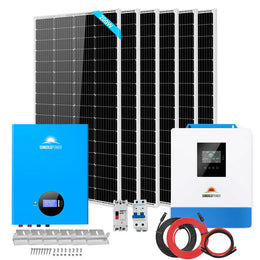
This is the lowest-priced complete 20 kW class system we stock. Two SPH10048P inverters run in parallel for 20,000 W at 120/240V split phase. Each has two MPPT trackers (500 V maximum), a 200 A charger and a generator input, and the listing shows UL 1741 by ETL and a 3-year warranty.
Storage is two PowerMax 314 outdoor batteries: 32.14 kWh nominal (15.42 kWh usable each), IP65, UL 1973 and UL 9540A, rated for 8,000 cycles with a 10-year warranty. They charge from 32F up and have no built-in heater. The thirty-two 450W bifacial N-type panels (UL 61730) make about 50 kWh a day at average sun, and Z-brackets, PV cables and breakers are in the box.
Two things to know. The array is 14.4 kW, not 20: the inverters accept 22 kW of solar, so about 16 matching panels can be added later. And the two batteries are rated 150 A each, about 15.4 kW from the battery alone by our calculation, so the full 20 kW is available when solar is also producing.
- Complete 20 kW class kit under $15,000
- Outdoor IP65 batteries, UL 9540A
- Room for 7.6 kW more solar
- Ships with 14.4 kW of panels, not 20
- About 15.4 kW from the two batteries alone
- Off-grid inverters: no export to the utility
2. EG4 24kW + 30.72 kWh ETHOS system with 45 x 440W panels

$16,094.98 for the system ($15,594.98 with EARLYBF500) + $7,983 for 45 panels
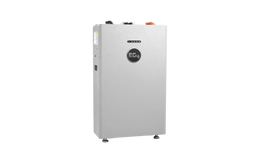
Two EG4 18kPV hybrid inverters give 24,000 W of continuous 120/240V output, each with three MPPTs, a 100 to 600 V DC input range, an 18 kW solar limit and 200 A of grid pass-through. Six BigBattery ETHOS modules add 30.72 kWh in an IP65 / NEMA 4X stack listed to UL 9540, UL 9540A and UL 1973, with a 12-year battery warranty and 10 years on the inverters.
Panels are your choice. We priced it with 45 Sungold 440W N-type panels (a 31-pack at $5,085 plus a 14-pack at $2,898), which is 19.8 kW and about 69 kWh a day at average sun. Code EARLYBF500 ($500 off $8,000 or more) applies to the system only.
Check one thing before ordering: ETHOS modules deliver up to 100 A each, but each control box is limited to 200 A, about 10 kW. Ask us how many control boxes ship with this configuration if you need the full 24 kW at night.
- True 20 kW array on 600 V strings
- UL 9540 system, grid-tied or off-grid
- 36 kW of solar headroom
- Panels, racking and wire bought separately
- Battery output limited per control box
- Highest total price of the 20 kW builds with one battery stack
3. Sungold Power FR-24K60CP: 24 kW output, 18.29 kW solar, 61.44 kWh

$22,707
This kit has twice the battery of the other 20 kW builds. Two FR12K-B inverters supply 24,000 W at 120/240V (12,000 W and 24,000 W peak each) with built-in rapid shutdown, and twelve CoreX 5 Pro rack batteries hold 61.44 kWh. Each module has a 100 A BMS, so the bank feeds both inverters at full power.
Thirty-one 590W bifacial N-type panels make an 18.29 kW array, about 63 kWh a day at average sun, on four MPPT inputs (500 V maximum). The inverters are IP20 and the batteries want a room that stays roughly 50 to 113F. The inverter warranty on the listing is 2 years; batteries carry 10.
A bank this large can exceed residential energy-storage limits per room, so check placement with your building department first.
- 61.44 kWh: about two days for a 25 kWh-a-day home
- Battery current to spare for 24 kW
- Rapid shutdown built into the inverters
- Indoor-only inverters and batteries
- 2-year inverter warranty
- Not in any discount code collection
4. Sungold Power SGR-20K30E: 20 kW output, 14.4 kW solar, 30.72 kWh

$17,175 ($16,925 with SAVE250)
Same two 10 kW inverters and the same thirty-two 450W bifacial panels as pick 1, but with six 5.12 kWh server-rack batteries in an indoor cabinet instead of two outdoor units. Each module is rated 100 A continuous and at least 7,000 cycles to 80% depth of discharge, so the bank can supply the full 20 kW on its own.
It costs $2,597 more than pick 1 after codes, so choose it for the layout: six smaller modules are easier to move than a 271 lb cabinet, and a heated utility room avoids the cold-charging limit. The battery box is IP20. This listing states a 1-year inverter warranty while the SGR-20K32P listing states 3 years for the same model; ask us to confirm the term before you order.
- Full 20 kW from the battery bank
- Six serviceable 100 A modules
- SAVE250 eligible
- $2,597 more than pick 1 for slightly less kWh
- Indoor-only batteries
- Inverter warranty term to confirm
5. Sungold Power FR-12K30CP: 12 kW output, 9.44 kW solar, 30.72 kWh

$12,150
The FR12K-B supplies 12,000 W continuous and 24,000 W peak at 120/240V and has rapid shutdown and breakers built in. Six CoreX 5 Pro batteries (EVE cells, 6,000+ cycles, 10-year warranty) make 30.72 kWh, with brackets, a 400 A bus bar set and a 4/0 battery cable included.
The sixteen 590W panels are a 9.44 kW array, about 33 kWh a day at average sun. That covers an average home, but it is not a 12 kW array: the inverter accepts 13.2 kW, so there is room for about 3.7 kW more. The inverter is IP20 with a 2-year warranty and does not export to the grid.
- Complete kit with 30.72 kWh
- 24 kW peak for well pumps and compressors
- Rapid shutdown built in
- 9.44 kW of panels, not 12
- Indoor equipment, 2-year inverter warranty
- No discount code
6. EG4 PowerPro 12kW 28.7 kWh system with 31 x 440W panels

$8,685 for the system + $5,085 for 31 panels = $13,770
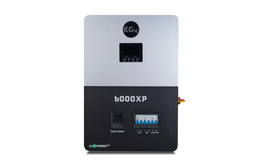
One EG4 12000XP V2 inverter (12,000 W at 240V, 18,000 W surge for 5 seconds, under 10 ms switching) with two EG4 280Ah All-Weather batteries: 28.6 kWh, IP65, with integrated self-heating and internal fire suppression. Each battery delivers 140 A continuous (10,240 W), so the pair covers the inverter's full output with margin and can live in an unheated garage or outside.
The inverter takes up to 24,000 W of solar on two MPPTs with a 120 to 385 V tracking range, so a 31-pack of 440W panels (13.64 kW, about 47 kWh a day) fits; confirm string length against the manual for your lowest temperature. The inverter itself is IP20 and indoor-only, with a 5-year warranty; batteries carry 10 years. This system is in the Black Friday code collection (ECOBLACK2026, $150 off $2,000 or more, scheduled for November 20 to December 1), and no code applies today.
- Self-heating IP65 batteries
- 20 kW of battery power for a 12 kW inverter
- Largest array of the 12 kW builds
- Inverter is indoor-only, 5-year warranty
- Off-grid design: no export to the utility
- Panels and racking bought separately
7. EG4 12kW + 10.24 kWh ETHOS system with 31 x 440W panels

$6,779.99 for the system ($6,529.99 with SAVE250) + $5,085 for 31 panels
One EG4 18kPV (12,000 W output, 18,000 W solar input, 200 A pass-through) is paired with two ETHOS modules for 10.24 kWh. With a 31-pack of 440W panels the total is $11,864.99, or $11,614.99 with SAVE250, for a 13.64 kW array that makes about 47 kWh a day.
The small battery is the trade-off. Two modules supply up to 200 A, about 10 kW by our calculation, and 10.24 kWh covers an evening of essentials rather than a whole night of whole-house use. That suits a grid-tied home that wants bill savings plus backup for critical loads, and the stack grows one 5.12 kWh module at a time.
- Lowest price for a 12 kW hybrid with battery
- Grid-tied capable hybrid inverter
- Battery expands module by module
- 10.24 kWh is a short-outage battery
- About 10 kW from the battery alone
- Panels and racking bought separately
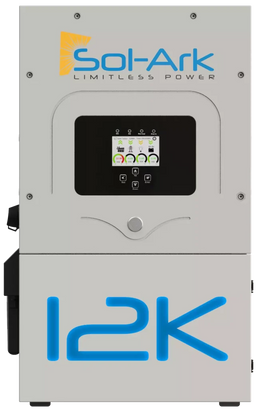
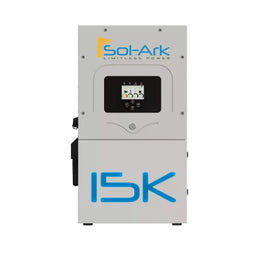
Want a 12 kW kit that arrives with panels and an outdoor battery in one order? The Sungold SGS12K-PM1-450 is covered in our all-in-one solar systems vs component kits guide, and the EG4 and Sol-Ark inverter families are compared in EG4 vs Sol-Ark.
Which build fits your situation
| Your situation | Build | Why |
|---|---|---|
| Off-grid home, 40 to 50 kWh a day, mild winters | SGR-20K32P | Lowest price, outdoor batteries, room to add panels |
| All-electric home on the grid, two EVs | EG4 24kW + ETHOS + 45 x 440W | True 20 kW array, grid-tied hybrid inverters |
| Off-grid, long cloudy spells, generator as last resort | FR-24K60CP | 61.44 kWh carries two days |
| 20 kW with batteries in a basement or utility room | SGR-20K30E | Six rack modules, full 20 kW from the battery |
| Average-size off-grid home or large cabin | FR-12K30CP | Complete kit, 30.72 kWh |
| 12 kW in a cold climate with an unheated garage | EG4 PowerPro 12kW + 31 x 440W | Self-heating IP65 batteries |
| Grid-tied home starting with a small battery | EG4 12kW + ETHOS 10.2 kWh + 31 x 440W | Lowest cost, expands later |
Installation, permits and safety
- The 120% rule limits a simple breaker connection. On a 200 A panel with a 200 A main, a load-side solar breaker is limited to 40 A, about 7.7 kW. A 12 kW inverter (50 A, 62.5 A after the 125% factor) needs a supply-side connection, a main breaker derate or a feed-through design. Two inverters need a planned service upgrade or a dedicated combiner.
- Utility review gets stricter above about 10 kW. Many utilities fast-track small residential systems and send larger ones through added study. Ask for the interconnection application and the size cap before you buy.
- Rapid shutdown is required on buildings. Rooftop arrays need module-level or array-level shutdown under NEC 690.12. Some inverters here include the initiator; the roof devices are usually separate.
- Battery location rules apply. Residential codes commonly limit storage to 20 kWh per unit and set totals of roughly 40 kWh in a utility closet and 80 kWh in a garage or outdoors, with spacing rules. Limits vary by jurisdiction, so confirm with your building department.
For the differences between inverter types and what each can legally do on the grid, see hybrid vs off-grid vs grid-tie inverters and split-phase inverters explained. You can also browse our hybrid inverters and lithium batteries to build your own combination.
What buyers ask before buying a 12kW or 20kW system
These come from the searches that bring people to our 12 kW and 20 kW pages and from the questions Google shows for this topic. Answers use the prices and specs checked today.
Is there such a thing as a 20,000-watt solar panel?
No single panel comes close. Residential panels are about 400 to 600 W each, so "20,000 watt solar panel" means an array: 45 or 46 panels of 440 to 450 W, or 34 of 590 W. As panels alone, 45 x 440W is $7,983 from our stock, about $0.40 per watt.
Is a 20,000-watt solar generator the same as a 20kW solar system?
Not quite. Portable "solar generators" are battery power stations, and the largest pairs reach roughly 12 kW at 240V. Twenty kilowatts is fixed-install territory: two wall-mounted inverters in parallel with a 48V battery bank, like the builds above. If you want something that rolls and plugs in, see our best solar generators for home backup.
What is a 12,000 kWh solar system?
That is a year of energy, not a system size. A home that uses 12,000 kWh a year uses about 33 kWh a day, and at average sun it needs 33 / (4.5 x 0.77) = about 9.5 kW of panels. So a "12,000 kWh" home fits a 10 kW array; a 12 kW array would cover it with margin for winter.
How much battery does a 12kW off-grid solar system need?
For an average 29 kWh-a-day home, about 14 kWh covers one night and about 34 kWh covers a full day without sun. That is why the complete 12 kW off-grid kits here ship with roughly 29 to 31 kWh. With only 10 kWh you will lean on a generator in winter.
FAQ
How much does a 20kW solar system cost in 2026?
Installed by a contractor, a 20 kW grid-tied system commonly runs $2.50 to $3.50 per watt, or about $50,000 to $70,000 before any battery. Buying the equipment yourself, complete 20 kW class kits with 30 to 32 kWh of battery cost $14,328 to $16,925 in our store, and a true 20 kW array with a 24 kW hybrid inverter stack and 30.72 kWh of battery is about $23,578. Racking, wire, permits and labor are extra.
How much does a 12kW solar system cost?
About $30,000 to $42,000 installed at $2.50 to $3.50 per watt, before batteries. As equipment from our stock, a 12 kW inverter with 10.24 kWh of battery plus 31 x 440W panels is $11,615 with code SAVE250, and complete 12 kW off-grid kits with roughly 29 to 31 kWh of storage run $12,150 to $13,770.
How many solar panels are in a 20kW system?
Forty-six 440W panels, forty-five 450W panels, thirty-six 560W panels or thirty-four 590W panels. Plan for roughly 950 to 1,000 square feet of panel area and 2,100 to 2,500 pounds of modules.
How many kWh does a 20kW solar system produce per day?
About 54 kWh at 3.5 peak sun hours, 69 kWh at the US average of 4.5 hours and 100 kWh at 6.5 hours, using kW x sun hours x 0.77 for real-world losses. That is roughly 2,080 kWh a month at average sun. A 12 kW array makes about 42 kWh a day, or 1,250 kWh a month.
Is a 20kW solar system too big for a house?
For an average home using about 29 kWh a day, yes: a 12 kW array already covers it with room to spare. 20 kW makes sense for all-electric homes with a heat pump and one or two EVs, homes with a shop, pool or well, small farms, and off-grid properties that need a winter margin. Where exported power is credited at a low rate, the extra 8 kW only pays if you use the energy yourself.
What size battery do I need for a 12kW or 20kW solar system?
Size the battery to your loads, not to the array. To carry a 40 kWh-a-day home overnight you need about 19 kWh; for a full sunless day, about 47 kWh. Also check current: a 12 kW inverter can draw about 270 A from a 48V bank and a 20 kW stack about 450 A, so you need at least three and five 100 A battery modules respectively to deliver full power from the battery alone.
Have a load list, a utility bill or a roof drawing? Send it to us and we will check it against these builds before you order. More reading: what size solar system do I need and best off-grid solar kits.

Serhii Dovzhenko, Solar & Energy Storage Specialist at Eco Solar Kits · LinkedIn
Serhii is based in Vancouver, BC, and works on product data, system sizing and buyer guides for Eco Solar Kits. He attends solar and energy storage industry conferences and is involved in the community of electricians in Vancouver, BC. Credit for the data verification in this guide goes to Adsec.ca.