

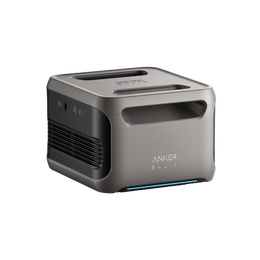
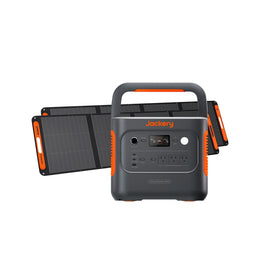
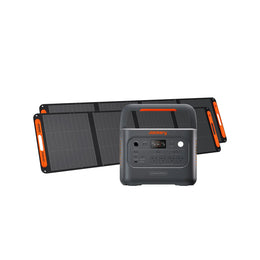
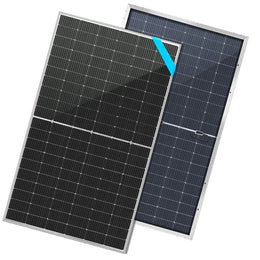
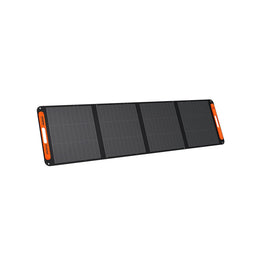
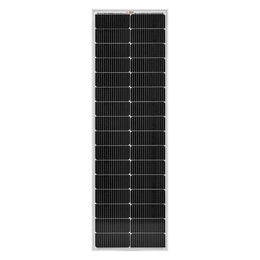
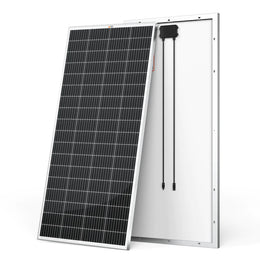
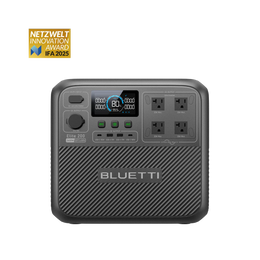
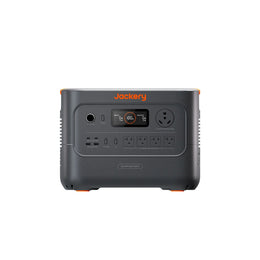
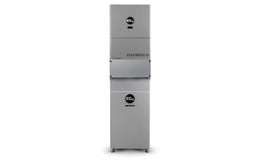
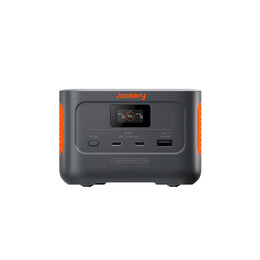

"Complete solar system", "all-in-one kit" and "solar panel kit with battery and inverter" get used for very different things. One listing is a suitcase-sized power station with two folding panels. Another is a 600-pound pallet of rooftop modules, a wall inverter and an outdoor battery cabinet. Both can be honest descriptions, but they solve different problems, cost different amounts to finish, and leave different parts for you to buy.
This guide sorts the options into four types, shows what is actually in the box for seven systems we have in stock today, adds up what it costs to get each one working, and gives the sizing math so you can match a kit to your daily load. If you already know you want a fully off-grid home kit, our best off-grid solar kits guide compares those by home size - the picks below are deliberately different.
All-in-one vs component kit at a glance
Think of the market as four layers, from least to most assembly:
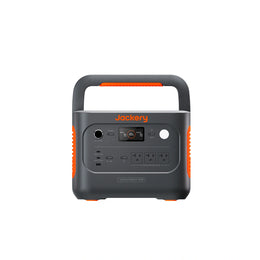
- Portable all-in-one (solar generator kit): one box holds the battery, inverter, MPPT charger and outlets. Panels plug in with MC4 cables. Nothing is hard-wired.
- Integrated home ESS (inverter + matched battery): a hybrid inverter and a closed-loop battery sold as one system, often certified together. You add panels, racking and an electrician.
- Complete component kit: panels, inverter, battery and the main cables in one order, but as separate pieces you mount and wire.
- Pick-your-own components: you choose every part. Most flexible, most room for mismatches.
| Type | Example in stock | Panels included | Wiring needed | Best for |
|---|---|---|---|---|
| Portable all-in-one | Mango Power E Kit Ultra | Yes (folding) | None - plug in | Renters, backup for essentials, cabins, RV |
| Integrated home ESS | EG4 PowerPro 12kW system | No | Electrician, permit | Whole-home backup, adding storage to a home |
| Complete component kit | Sungold SGS12K-PM1-450 | Yes (rooftop) | Electrician, permit, racking | New home solar + battery in one order |
| Small DC component kit | Rich Solar 1600W 24V kit | Yes + Z-brackets | DIY-friendly DC, careful fusing | RVs, tiny homes, sheds |
| Pick-your-own | NEXUS + APEX-6.5K + your panels | No | Electrician for AC side | Off-grid builds, existing panels |
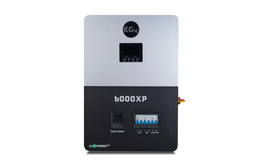
"All-in-one" also shows up in inverter names. An all-in-one inverter (or all-in-one hybrid inverter) combines the inverter, battery charger and MPPT solar controller in one chassis - the EG4 18kPV and Sungold SGS-12K18MAX are examples. That is not the same as an all-in-one system: you still need a battery and panels. If you are choosing between inverter types, see hybrid vs off-grid vs grid-tie inverters.
What "complete" really includes: box-by-box checklist
We read the "what's in the box" list on every listing below. A "yes" means the part ships in the kit; "add" means you need to buy it or have an installer supply it.
| Part | Mango E kits | Rich Solar 1600W kit | Sungold SGS12K-PM1-450 | EG4 PowerPro / EG4 + ETHOS | NEXUS + APEX-6.5K |
|---|---|---|---|---|---|
| Panels | Yes (2 or 4 x 400W folding) | Yes (8 x 200W) | Yes (20 x 450W bifacial) | Add | Add |
| Inverter | Built in (3,000W 120V) | Yes (3,000W 24V) | Yes (12 kW split-phase) | Yes (EG4 18kPV, 12 kW) | Yes (6.5 kW split-phase) |
| Solar charge controller | Built in | Yes (60A MPPT) | Built into inverter | Built into inverter | Built into inverter |
| Battery | Built in (3.53 or 7.06 kWh) | Yes (5.12 kWh, 24V) | Yes (16.07 kWh) | Yes (14.34 or 15.36 kWh) | Yes (14.3 kWh) |
| Panel-to-system cable | Yes (MC4 + parallel cable on Ultra) | Yes (30 ft 10 AWG) | Yes (2 x 50 ft) | Add | Add |
| Battery cables | Not needed | Yes | Not listed - ask | Conduit box (PowerPro) / 4 ft cable (ETHOS) | Not listed - ask |
| Fuses / PV breakers | Not needed | 30A inline fuse only | 2 x 25A PV breakers | Add | Add |
| Mounting / racking | Not needed | Yes (Z-brackets) | Add | Battery wall hardware / rack base | Add |
| Outlets / AC panel | 4 x 120V outlets | Inverter outlets | Add (wired to main panel) | Add (wired to main panel) | Add |

The parts almost no kit ships
Even the most complete home kit stops at your property line of responsibility. Budget for these before you compare prices:
- Roof or ground racking. Rails, flashing and roof attachments for rooftop arrays; posts or ground-mount frames otherwise. Of our picks, only the Rich Solar kit includes brackets.
- Rapid shutdown. Roof-mounted arrays on homes need rapid shutdown under the National Electrical Code (NEC 690.12). Some inverters support it, but module-level devices may still be needed - your installer and inspector decide.
- AC connection. A hybrid inverter feeding a 200 A main panel needs breakers, wire, conduit and often a main-panel change or line-side tap. Our 5kW system guide walks through the 120% busbar rule.
- Transfer equipment for backup. Portable stations can run appliances by cord, but powering house circuits needs a transfer switch or listed interlock. Never backfeed through an outlet.
- Battery overcurrent protection on DC kits. A 3,000W inverter on 24 V draws about 140 A from the battery (3,000 / 24 / 0.88). The Rich Solar kit lists a 30A inline fuse for the solar side; plan a properly rated battery fuse or DC breaker between battery and inverter.
- Permits, interconnection and labor. Grid-tied systems need utility approval before you switch on. Most rebates also require a licensed installer - see solar rebates by state.
Box price vs price to a working system
A low box price can hide a big finishing bill, and an expensive box can be closest to done. Here is what each pick costs to reach a system that makes and stores solar power, using live prices from November 11, 2026. Where a bundle ships without panels, we added Sungold 440W N-type panels (12 for $2,519 or 20 for $3,942) to reach a comparable array.
| System | Box price (code) | Added to make it work | Price to a working system | Still to budget |
|---|---|---|---|---|
| Mango E Kit Pro | $2,299 (no code) | Nothing | $2,299 | Optional 30A charging cable |
| Mango E Kit Ultra | $3,999 (no code) | Nothing | $3,999 | Optional transfer switch |
| Rich Solar 1600W 24V kit | $4,699.99 (ECO100: $4,599.99) | Battery fuse / breaker | $4,599.99 | DC disconnect, installer if not DIY |
| NEXUS + APEX-6.5K | $4,535 (no code) | 12 x 440W panels $2,519 | $7,054 | Racking, PV wire, AC install |
| Sungold SGS12K-PM1-450 | $9,248 (no code) | Nothing (panels included) | $9,248 | Racking, rapid shutdown, AC install |
| EG4 PowerPro 14.3 kWh system | $7,289 (ECO100: $7,189) | 20 x 440W panels $3,942 | $11,131 | Racking, PV wire, rapid shutdown, AC install |
| EG4 12kW + ETHOS 15.4 kWh | $8,029.99 (SAVE250: $7,779.99) | 20 x 440W panels $3,942 | $11,721.99 | Racking, PV wire, rapid shutdown, AC install |
Two things stand out. First, the Sungold SGS12K-PM1-450 is about $1,900-$2,500 cheaper than building a similar 12 kW / 9 kW / 15 kWh system from an EG4 bundle plus panels, because the panels are priced into the kit. Second, the portable all-in-ones are the only options where box price and finished price are the same - which is the whole point of buying one. Code notes: ECO100 is $100 off orders of $1,500+ on eligible products, SAVE250 is $250 off $4,000+ on eligible products; both were active when we checked, and the Mango, Sungold and NEXUS systems are not in a code collection today.
Sizing math: how much kit do you need?
Kits only make sense if they match your load. We use the same two formulas as our other sizing guides:
- Array size (kW) = daily kWh / (peak sun hours x 0.77). The 0.77 covers heat, wiring, inverter and dust losses.
- Battery size (kWh) = daily kWh x days of autonomy / 0.85. The 0.85 leaves room for the BMS reserve and inverter losses.
Worked example - a home that wants to keep essentials running (fridge, freezer, lights, internet, furnace fan, well pump, some cooking) at about 12 kWh a day with 4.5 sun hours:
| Step | Math | Result | What fits |
|---|---|---|---|
| Array for 12 kWh/day | 12 / (4.5 x 0.77) | 3.5 kW | NEXUS build (5.28 kW) or larger |
| Battery for 1 day | 12 x 1 / 0.85 | 14.1 kWh | EG4 PowerPro 14.34 kWh, NEXUS 14.3 kWh |
| Battery for 1 day + margin | 12 x 1.25 / 0.85 | 17.6 kWh | SGS12K + a 2nd PowerMax, or 4 ETHOS modules |
| Running watts (240V pump starting) | Pump + fridge + loads | 6-8 kW surge | 6.5 kW+ split-phase inverter |
Now compare that with the small kits: the Mango E Kit Ultra makes about 5.5 kWh a day at 4.5 sun hours and stores 7.06 kWh - plenty for a fridge, lights and internet, not for a well pump at 240 V. The Rich Solar 1600W kit is similar on energy (about 5.5 kWh/day, 5.12 kWh stored) but is meant to be wired into an RV or tiny home. If you are not sure what your home uses, our solar system sizing guide and battery sizing guide go deeper.
The chart also shows a mismatch to watch for. The three 12 kW builds make about twice as much solar per day as their battery holds, which is right for a grid-tied home that exports or self-consumes during the day. For a fully off-grid home in winter, you would usually want more battery relative to the array.
7 picks: all-in-one systems and component kits in stock
All seven were active and in stock on November 11, 2026. Prices are listed prices; a code is shown only where the product is eligible.
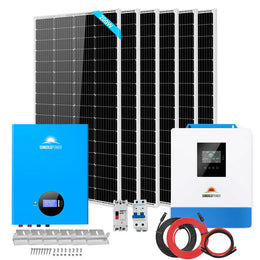
1. Sungold Power 12kW Hybrid Solar Kit SGS12K-PM1-450

$9,248 (no code)
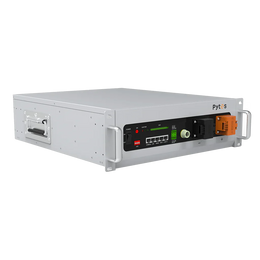
The most complete box for a house: the SGS-12K18MAX hybrid inverter (12,000 W at 120/240 V split-phase, 200 A pass-through, UL1741 SB grid export), twenty 450W bifacial N-type panels (9 kW, UL61730) and a PowerMax 16.07 kWh outdoor battery (15.42 kWh usable, IP65, 8,000 cycles). The inverter and battery are listed together as a UL 9540 energy storage system, which simplifies plan review. The kit includes 2 x 50 ft PV extension cables and 2 x 25A PV breakers; racking is not included. One detail to know: the single battery is rated 7.68 kW of DC power, so battery-only output is lower than the inverter's 12 kW - add a second PowerMax if you want large 240 V loads during an outage. The inverter accepts up to 18 kW of PV, so you can double the array later.
- Panels, inverter and battery in one order
- UL 9540 inverter + battery pairing
- Room for 18 kW PV and 16 batteries
- Racking and install extra
- One battery limits battery-only power to ~7.7 kW
- Battery charges from 32F (no self-heating listed)
2. Mango Power E Kit Ultra (7,060 Wh + 4 x 400W)

$3,999 (no code)
The plug-and-play option with the most energy: a Mango Power E station plus its expansion battery (7,060 Wh of CATL LiFePO4) and four 400W Solar Move folding panels with the parallel cable. Two panels run in series per string (about 81 V) and two strings in parallel for 1,600 W into the E's 60-150 V, 2,000 W solar input - about 5.5 kWh a day at 4.5 sun hours. Output is 3,000 W pure sine from four 120 V outlets, with UPS switchover when the grid drops. Nothing is hard-wired, so it works for renters, cabins and job sites; add a transfer switch installed by an electrician if you want it to feed house circuits.
- Zero wiring - plug in panels and appliances
- 7.06 kWh, 6,000-cycle LFP cells
- Full recharge in roughly one good solar day
- 120 V only from one unit (240 V needs two units + mSocket Pro)
- Heavy: station plus battery over 160 lb
- IP21 - keep indoors or sheltered
3. EG4 PowerPro 12kW 14.3 kWh 48V System

$7,289 (ECO100: $7,189)
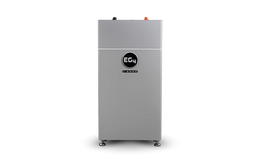
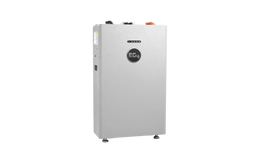
An integrated home ESS: the EG4 18kPV hybrid inverter paired with a 14.34 kWh PowerPro wall battery, plus a conduit box for clean wiring. The listing gives 12,000 W at 240 V with PV and 10,200 W battery-only, 18,000 W of PV input on three MPPTs (100-600 V), a 200 A grid bypass and 10 ms transfer. The battery is IP65, self-heating, rated 8,000 cycles at 80% depth of discharge and certified to UL9540, UL9540A and UL1973. Panels are not included - add about 9 kW (20 x 440W, $3,942) for a balanced home system. This is the pick when you want the inverter and battery to be one matched, certified unit and want to choose your own panels and installer.
- 10.2 kW from battery alone
- All-weather, self-heating battery
- UL 9540 system certification
- No panels or racking
- 308.6 lb battery - plan the wall
- Needs a licensed installer
4. Mango Power E Kit Pro (3,530 Wh + 2 x 400W)

$2,299 (no code)
The same Mango Power E station with one battery and two 400W folding panels in series (about 81 V, 800 W). That is about 2.8 kWh of solar a day at 4.5 sun hours and 3,530 Wh of storage - enough for a full-size fridge, lights, Wi-Fi and a laptop through a typical outage day, or a shed or small cabin used on weekends. It recharges from the wall in about 1.5 hours with the optional 30A cable. If you outgrow it, the expansion battery doubles capacity to 7,060 Wh, which turns it into the Kit Ultra setup.
- Lowest price to a working solar system
- Expands to 7,060 Wh
- UPS mode for home backup
- 800 W of panels is slow in winter
- 120 V, 3,000 W limit
- Folding panels need setting up each time
5. EG4 12kW Power System with 15.4 kWh ETHOS (BigBattery)

$8,029.99 (SAVE250: $7,779.99)
A component bundle built around stackable batteries: one EG4 18kPV hybrid inverter (12,000 W, 18,000 W PV, 200 A bypass) with three 5.12 kWh ETHOS modules on a control box and rack base, plus the 4 ft controller-to-battery cable. The modules are IP65 / NEMA 4X, closed-loop with the 18kPV, certified to UL9540, UL9540A and UL1973, and carry a 12-year warranty. Each control box takes up to 16 modules, so you can grow the bank 5.12 kWh at a time. Add panels (20 x 440W brings it to $11,721.99 with SAVE250) and an installer.
- Grow storage in 5.12 kWh steps
- Outdoor-rated, 12-year battery warranty
- Same 12 kW inverter as the PowerPro system
- No panels or racking
- Charges from 32F (no self-heating listed)
- Most expensive route to ~15 kWh here
6. Rich Solar 1600 Watt 24V Complete Solar Kit

$4,699.99 (ECO100: $4,599.99)
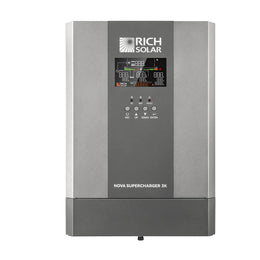
One of the few kits that ships nearly everything for a small DC system: eight MEGA 200W panels with eight Z-bracket mounting sets, a 60A MPPT controller (150 V max input), two ALPHA 4 25.6 V 100Ah batteries (5.12 kWh, Bluetooth, self-heating), a NOVA PURE 3K inverter (3,000 W, 6,000 W surge, 120 V) and the panel, controller and battery cable sets. It suits travel trailers, tiny homes and cabins - see our RV solar kit guide for mobile setups. Two limits: the 60A controller is already full at 1,600 W on 24 V, and you should add a properly rated battery fuse or breaker for the inverter.
- Brackets and cables included
- Self-heating, Bluetooth batteries
- Simple 24 V DC system
- No room to add panels on this controller
- 120 V only
- Inverter and controller warranties 2 years
7. NEXUS 14.3 kWh Battery + APEX-6.5K Inverter

$4,535 (no code)
The cheapest way here to a 14 kWh, 240 V-capable core: a NEXUS 14.3 kWh LiFePO4 battery (140 A / 7.6 kW continuous, 6,000+ cycles) matched with the APEX-6.5K inverter (6,500 W split-phase, 13,000 VA surge, 4 HP motor capacity, 2 x 5,000 W MPPT, 140 A charging). Its two AC inputs let the grid and a generator stay connected at the same time, with 80 A pass-through. Both units are indoor-only (battery IP54, inverter IP20), so plan a garage or utility room. The listing does not mention grid export, so treat it as an off-grid and backup system. With 12 x 440W panels ($2,519) the build reaches $7,054.
- Lowest price per kWh of the home systems
- Grid + generator inputs at once
- Expands to 15 batteries
- Indoor only
- 6.5 kW - not for big 240 V loads together
- No panels, cables or racking listed
Which type fits your situation
| If you... | Choose | Why |
|---|---|---|
| Rent, or cannot touch the electrical panel | Mango E Kit Ultra or Kit Pro | No wiring, moves with you |
| Want whole-home solar + battery in one order | Sungold SGS12K-PM1-450 | Panels, inverter and battery priced together; UL 9540 pair |
| Already have panels or a preferred installer | EG4 PowerPro system | Matched inverter + battery, add your own array |
| Want to start small and add batteries | EG4 + ETHOS 15.4 kWh | 5.12 kWh modules, up to 16 per control box |
| Are building an RV, tiny home or cabin | Rich Solar 1600W 24V kit | Brackets, controller and cables included |
| Are off-grid on a budget with a generator | NEXUS + APEX-6.5K | Grid and generator inputs at once, low price per kWh |
| Need big 240 V loads (well pump, AC) on battery | EG4 PowerPro or SGS12K + 2nd battery | 10 kW+ battery-only output |
Browse every option in our complete solar systems, solar kits, Mango Power kits, EG4 solar power kits and home backup battery collections. For a cost view of whole-home storage, see whole-home battery backup cost.
What buyers ask before buying a solar kit
These come from searches that bring people to our store and from the questions Google shows for this topic.
Are do-it-yourself home solar kits worth it?
For equipment cost, yes: a kit like the SGS12K-PM1-450 at $9,248 is far below a typical installed price for a 9 kW system with a battery. The savings shrink once you add racking, electrical work and permits, and most rebates require a licensed installer. The best value usually comes from buying the kit yourself and hiring an electrician for the AC connection and inspection.
Is there a solar panel kit with battery and inverter for a shed?
Yes. For a shed used for lights, tools and a small fridge, the Mango Power E Kit Pro needs no wiring at all. If you want a permanent install on the shed roof, the Rich Solar 1600W kit includes mounting brackets. Our shed solar guide sizes it by load.
What does "all-in-one hybrid inverter" mean?
It means the inverter, battery charger and MPPT solar controller share one chassis, so panels, battery, grid and generator all connect to one box. It does not include the battery. The EG4 18kPV and Sungold SGS-12K18MAX in the picks above are all-in-one hybrid inverters.
How do the leading solar kits compare?
Compare four numbers, not titles: battery kWh, inverter continuous watts (and battery-only watts), array watts, and what is missing from the box. The price-to-a-working-system table above does this for our seven picks.
What size kit with battery and inverter do I need for 1,000 W or 5,000 W?
Watts in a kit title usually describe the inverter, not the panels. A "5,000 W kit" may ship only 1.2-2.7 kW of panels. Size the array from your daily kWh and the battery from your backup hours, then check the inverter covers your running and starting watts. See 1000-watt solar panel setup and 5kW solar system with battery.
FAQ
What is an all-in-one solar system?
It is a system where the inverter, solar charge controller and battery come as one unit or one pre-matched pair, so you connect panels and loads instead of wiring separate boxes. Portable examples like the Mango Power E plug into panels and run appliances from built-in outlets; home-scale versions like the EG4 PowerPro system pair a hybrid inverter with a matched wall battery that still needs an electrician to connect to your panel.
Is it cheaper to buy a solar kit or separate components?
Usually a kit, by a small margin, because the bundle is priced below the parts and you avoid buying mismatched pieces. In our stock the Sungold SGS12K-PM1-450 kit is $9,248 for a 12 kW inverter, 9 kW of panels and a 16.07 kWh battery, while an EG4 inverter-plus-battery bundle with 20 panels added comes to about $11,100-$11,700. Component builds win when you already own panels or need a specific inverter.
What does a complete solar kit include?
It varies more than the word suggests. Most complete kits include panels, an inverter (or inverter-charger), a battery and the main DC cables. Many leave out roof or ground racking, AC wiring, breakers for your main panel, rapid shutdown devices for roof arrays, conduit and permits. Read the what's in the box list, not the title.
Do solar kits come with mounting racks?
Some do and most home kits do not. The Rich Solar 1600W 24V kit includes eight Z-bracket sets for RV or flat roofs, and the Mango Power E kits use folding panels that need no racking. The Sungold SGS12K-PM1-450 listing says to add roof or ground racking to suit the site.
Can I install a solar kit myself?
Plug-and-play kits like the Mango Power E kits need no wiring: you connect the panels with MC4 cables and plug appliances into the station. Anything that connects to your home's electrical panel, exports to the grid or uses a 48V battery bank should be installed by a licensed electrician with a permit, a proper transfer switch or interlock, and no backfeeding through outlets.
Can an all-in-one power station run my whole house?
A single portable unit usually cannot. The Mango Power E gives 3,000 W at 120 V from 3.5-7.1 kWh, which covers a fridge, lights, internet and small appliances. Whole-home backup with 240 V loads like a well pump or central AC needs a 12 kW-class hybrid inverter and 14-16 kWh or more of battery, such as the EG4 PowerPro or Sungold SGS12K systems.
Can I add more panels or batteries later?
Check two numbers before you buy: the inverter's maximum PV input and the battery's parallel limit. The Sungold SGS-12K18MAX accepts up to 18 kW of PV (the kit ships with 9 kW) and up to 16 PowerMax batteries; the Rich Solar kit's 60 A controller is already full at 1,600 W on 24 V, so adding panels means a second controller.

Serhii Dovzhenko, Solar & Energy Storage Specialist at Eco Solar Kits · LinkedIn
Serhii is based in Vancouver, BC, and works on product data, system sizing and buyer guides for Eco Solar Kits. He attends solar and energy storage industry conferences and is involved in the community of electricians in Vancouver, BC. Credit for the data verification in this guide goes to Adsec.ca.