

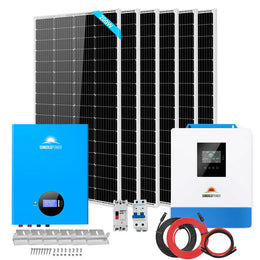
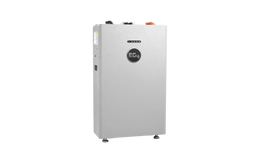
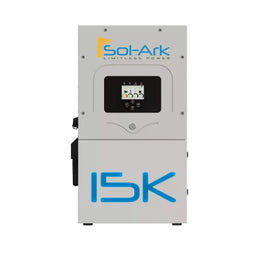
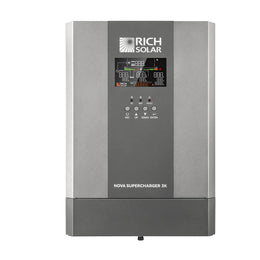

The inverter decides whether you can sell power to the utility, whether the lights stay on in a storm, which battery you buy and how big the array can grow. Grid-tie, off-grid and hybrid are three different jobs, and a mismatch is expensive to fix later.
Below: how each type works, the sizing math, cost per kilowatt and seven in-stock inverters, from a $399 12V unit to whole-home hybrids. Specs come from the listings and manufacturer spec sheets; prices checked November 6, 2026.
Grid-tie vs off-grid vs hybrid at a glance
| Question | Grid-tie | Off-grid | Hybrid |
|---|---|---|---|
| Needs a utility connection | Yes | No | Optional (works either way) |
| Power during an outage | No - shuts off (anti-islanding) | Yes, from battery | Yes, from battery (and solar while it charges) |
| Exports solar for bill credit | Yes, where net metering or net billing exists | No | Yes, or zero-export / self-consumption modes |
| Battery required | No | Yes | Recommended; some run solar-only |
| Built-in solar charge controller | Yes (PV to AC only) | Usually (MPPT), except plain inverters | Yes (MPPT) |
| Generator input | No | Usually | Usually |
| Typical certifications | UL 1741 SA/SB, IEEE 1547 | UL 1741 or UL 458 (mobile) | UL 1741 SB, IEEE 1547, often UL 9540 with a matched battery |
| Typical price (inverter only) | $0.40-0.60 per W | $130-250 per kW | $220-500 per kW |
| Best for | Lowest cost per kWh on a reliable grid | Cabins, homesteads, RVs, no grid line | Homes that want backup plus bill savings |
The price ranges in the last row come from the in-stock inverters in this guide, not from installed-system quotes. Batteries, panels, racking, permits and labor are extra in every case.
How each inverter type works
Grid-tie (on-grid) inverters
A grid-tie inverter converts panel DC into AC synchronized with the utility. The house uses solar first and the surplus flows out through the meter. It is either a string inverter on the wall or microinverters under each panel, like the Mango Power S Pro set.
The catch is anti-islanding: under UL 1741 and IEEE 1547 it must stop when grid voltage disappears, so it cannot energize a line crews believe is dead. A grid-tie-only system goes dark in an outage even at noon. Cheapest way to cut a bill, but not backup.
Off-grid inverters
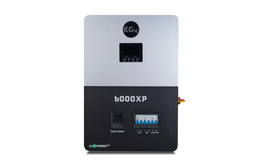
An off-grid inverter builds its own AC 'grid' from a battery bank. Most are all-in-one inverter-chargers: MPPT solar controller, generator/grid charger, transfer relay and inverter in one box. The EG4 6000XP and Sungold FR12K-B are this type. When the battery is empty, power stops unless a generator or the grid feeds the input.
Off-grid units can sit on a grid-connected house as backup - the grid charges the battery and passes through - but they never export, so there is no bill credit. A plain inverter such as the Rich Solar NOVA PURE 3K is the simplest off-grid device: DC in, AC out, with no charger or solar input at all.
Hybrid inverters
A hybrid inverter combines both. It is listed to UL 1741 SB like a grid-tie unit, so the utility can approve it for export, and it manages a 48V battery like an off-grid unit. When the grid drops, an internal transfer switch isolates the house from the utility in about 10-20 ms and the battery (plus solar) keeps the backed-up loads running. Models with 200 A pass-through, such as the SGS-12K18MAX, can back up the whole main panel; others feed a critical-loads sub-panel.
Hybrids also offer self-consumption, time-of-use shifting and zero-export modes. Browse the range in our hybrid inverter collection.
Which inverter type fits your situation
- Reliable grid, good net metering, outages are rare: grid-tie. You get the most kWh per dollar. Add a battery later only if your utility's export rate drops.
- Grid connected but outages matter (well pump, medical equipment, home office, storms): hybrid. It is the only type that both earns export credit and keeps the house running.
- Exports pay little (net billing): hybrid plus battery in self-consumption mode.
- No utility line, or a line extension would cost more than the system: off-grid. See our best off-grid solar kits guide for complete packages.
- RV, van, boat or small cabin on 12V or 24V: a plain pure-sine inverter or a small inverter-charger, sized to the battery.
Sizing math: output, surge, solar input and battery
Whatever the type, four numbers decide the size. Here is the method with a worked example for a 2,000 sq ft grid-connected home that wants backup.
1. Continuous output (watts)
List the loads that can run at the same time during an outage and add their running watts, then multiply by 1.25 for headroom.
| Load | Running watts | Starting (surge) watts |
|---|---|---|
| Refrigerator | 150 | 1,200 |
| 1 HP well pump (240V) | 1,000 | 3,500 |
| Furnace blower | 600 | 1,500 |
| 2-ton heat pump (240V) | 2,400 | 6,000 |
| Lights, internet, TV, computers | 500 | 500 |
| Microwave | 1,200 | 1,200 |
| Total running | 5,850 | - |
5,850 W x 1.25 = about 7.3 kW continuous. Typical appliance figures; check your own nameplates. Drop the heat pump and the same home fits a 6 kW unit like the 6000XP.
2. Surge (motor starts)
Worst case is the biggest motor starting while the rest runs: 6,000 W heat-pump start + 3,450 W running = about 9.5 kW for a few seconds, within the 6000XP's 12,000 W surge or the SGS-12K18MAX's 1.5x rating. Soft starters cut this sharply.
3. Solar input (array size)
For a grid-tie or hybrid system sized to offset the bill: array kW = annual kWh / (365 x peak sun hours x 0.77). A home using 10,800 kWh a year at 4.5 sun hours needs 10,800 / (365 x 4.5 x 0.77) = 8.5 kW of panels. Pick an inverter whose maximum PV input is above that with room to grow - 13 kW on the Sol-Ark 12K, 18 kW on the SGS-12K18MAX. Our what size solar system do I need guide has the full table by state.
For grid-tie, check the 120% busbar rule: a 200 A panel with a 200 A main usually allows a 40 A backfed breaker, about 7.6 kW of inverter AC. Bigger systems need a supply-side tap or panel upgrade.
4. Battery (hybrid and off-grid)
Battery kWh = backup kWh per day x days / 0.9 (usable depth of discharge for LiFePO4). If the critical loads above use 12 kWh a day and you want one day of autonomy, 12 / 0.9 = about 13.3 kWh. Check discharge too: 7.3 kW at 48V is about 150 A, and the bank must supply it. Our 48V server rack battery guide compares packs, and the Solar Kit Calculator runs these numbers for your address.
What each type costs
Price per kilowatt of continuous output is a quick cross-type comparison. Off-grid all-in-ones are cheapest because they skip grid-export listing and use simpler indoor enclosures. Hybrids add UL 1741 SB listing, arc-fault protection, more MPPTs and outdoor ratings. Microinverters cost the most per kW but replace the string inverter, optimizers and monitoring.
The total system is what matters: our whole-home battery backup cost guide prices complete hybrid builds line by line. A grid-tie-only system skips the battery and costs far less, but gives no outage protection.
7 inverters in stock now, by type
All seven are active listings with stock on November 6, 2026. Prices are the store price that day; promo codes are listed only where the product is eligible.
| Inverter | Type | Continuous | Surge | Max PV | Battery | Enclosure | Listing | Warranty | Price |
|---|---|---|---|---|---|---|---|---|---|
| Sungold SGS-12K18MAX | Hybrid | 12,000 W | 1.5x (10 s) | 18,000 W | 48V | IP65 | UL 1741 SB | 10 yr | $2,691 |
| EG4 FlexBOSS21 | Hybrid | 12,000 W (16,000 W with PV) | 24,000 W (0.5 s) | 21,000 W | 48V | NEMA 4X | UL 1741, UL 9540 | 10 yr | $4,129.99 |
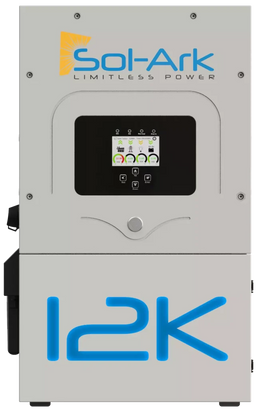
| Sol-Ark 12K | Hybrid | 9,000 W | 16,000 VA (10 s) | 13,000 W | 48V | - | - | 10 yr | $4,350 |
| Mango Power S Pro 5,000W set | Grid-tie (micro) | 5,000 W | - | 10 x 500 W modules | None | NEMA 6P / IP68 | UL 1741 SA/SB, IEEE 1547 | 25 yr | $2,608 |
| EG4 6000XP | Off-grid | 6,000 W | 12,000 W (3.5 s) | 8,000 W | 48V | IP20 (indoor) | UL 1741 | 5 yr | $1,499 |
| Sungold FR12K-B | Off-grid | 12,000 W | 24,000 W | 13,200 W | 48V | IP20 (indoor) | UL 1741 | 2 yr | $1,611 |
| Rich Solar NOVA PURE 3K | Inverter only | 3,000 W | 6,000 W | None | 12V | Indoor | ETL to UL 458 | See Rich Solar | $399 |
Sungold SGS-12K18MAX 12kW hybrid - $2,691

The best price per kilowatt of any grid-listed hybrid in the store. It delivers 12,000 W at 240V (10,400 W at 208V three-phase), takes 18 kW of solar on two 9 kW MPPTs with a 550 Voc limit, and has 200 A continuous grid pass-through, so it can sit between the meter and a 200 A main panel and back up the whole house instead of a sub-panel. It is UL 1741 SB, IEEE 1547-2018 and Rule 21 listed for export, supports AC coupling, and forms a UL 9540 system with Sungold's PowerMax 314Ah battery. IP65, 105.8 lb, 10-year warranty.
EG4 FlexBOSS21 hybrid - $4,129.99

The FlexBOSS21 is rated 12,000 W continuous on battery and grid alone and 16,000 W when solar is contributing at the same time - two honest numbers for two conditions. Its standout is solar input: 21,000 W usable (25,000 W recommended maximum) across three MPPTs and five strings, so a roof with east, south and west faces can run each at its best. NEMA 4X housing, 88 lb, and UL 1741 plus UL 9540 with EG4 or BigBattery ETHOS packs, which simplifies permits. It works grid-tied or off-grid and pairs with EG4's GridBOSS hub for whole-home management. For a head-to-head with Sol-Ark see our EG4 vs Sol-Ark guide.
Sol-Ark 12K hybrid - $4,350

The Sol-Ark 12K is rated 9,000 W continuous in every mode - on-grid, off-grid and battery-only - with 16,000 VA peak for 10 seconds. It accepts 13 kW of solar (6,500 W per MPPT, 500 V maximum) across one to six strings, charges at 185 A, and includes current sensors, auto-generator start, arc-fault detection, disconnects and 50 A breakers. It is in our ECO100 promotion: code ECO100 takes $100 off orders of $1,500 or more, so it comes to $4,250. 10-year warranty.
Mango Power S Pro 5,000W microinverter set - $2,608

If you only want to cut your bill, this is the grid-tie option in stock: ten 500 W microinverters, the 10-in-1 trunk cable and a Smart Gateway Lite meter. Each microinverter has its own MPPT (16-60 V), so shade on one panel does not pull down the others, and at the recommended 1.2-1.5 DC/AC ratio the set drives roughly 6-7.5 kW of panels (not included). 97% CEC efficiency, fanless NEMA 6P / IP68 housings, built-in rapid shutdown, and UL 1741-SA/SB, IEEE 1547-2018 and Rule 21 listings. The gateway can hold export to zero within 200 ms where the utility requires it. 25-year warranty. As with any grid-tie inverter, it stops during an outage unless paired with a compatible home battery system.
EG4 6000XP off-grid inverter - $1,499

The most popular way into 48V off-grid or backup power. 6,000 W of 120/240V split-phase output with a 12,000 W surge for 3.5 seconds (enough for most well pumps), 8,000 W of solar on two MPPTs (100-480 V), 125 A charging and under 15 ms transfer. The grid or a generator connects to the AC input (up to 9,000 W, 50 A bypass) to charge the battery and pass power through, but it does not export, which is why it suits backup-only installs. 52.9 lb, parallels up to 16 units. IP20 means indoor only. UL 1741, 5-year warranty.
Sungold FR12K-B 12kW off-grid inverter - $1,611

At about $134 per kW, the FR12K-B is the cheapest way to 12 kW of 120/240V off-grid power in the store. It combines a 12,000 W pure sine inverter (24,000 W peak), two MPPTs for 13.2 kW of solar (500 Voc), 200 A solar and 120 A generator charging and built-in rapid shutdown in a 61.7 lb wall unit that parallels to 72 kW. Battery-to-AC efficiency is listed at 92%. It is UL 1741 listed for safety but sold as an off-grid inverter, so plan on no grid export. IP20 for indoor mounting.
Rich Solar NOVA PURE 3K 12V inverter - $399

If you already have a 12V battery and charge controller in an RV, van or boat, a plain pure sine inverter is the simplest way to get 120V AC. The NOVA PURE 3K delivers 3,000 W continuous with a 6,000 W surge, under 3% THD for sensitive electronics, three AC outlets plus USB and a remote switch. It is ETL listed to UL 458, the standard for inverters in RVs and other mobile installations. It has no charger or solar input; the listing does not state a warranty term.
Need more options? Compare every model in our grid-tie inverter, off-grid solar inverter and full inverter collections.
Wiring, permits and safety
- Interconnection first. The utility approves grid-tie and hybrid inverters before switch-on; file before you buy.
- Rapid shutdown. NEC 690.12 requires roof arrays to de-energize quickly for firefighters. Microinverters meet it by design; string and hybrid inverters need a compatible module-level device or built-in signal.
- String voltage in winter. Panel voltage rises in the cold. Keep the coldest-morning open-circuit voltage of each string below the inverter maximum (500 V on the Sol-Ark 12K and FR12K-B, 550 V on the SGS-12K18MAX) with margin.
- Battery cabling and fusing. 48V systems move a lot of current: a 12 kW inverter can pull about 250 A. Use the cable gauge, fuse and breaker sizes in the manual.
What buyers ask before choosing an inverter
These questions come from searches that bring people to our store and from Google's question results for inverter types, answered with the specs of products in stock.
Can I get a grid tie inverter with battery backup?
Yes - that is what a hybrid inverter is. A plain grid-tie inverter cannot use a battery, but a UL 1741 SB hybrid such as the SGS-12K18MAX, FlexBOSS21 or Sol-Ark 12K exports to the grid like a grid-tie unit and runs from a 48V battery in an outage. If you already have grid-tie panels, AC coupling lets a hybrid add a battery without replacing the old inverter.
Do I need a split-phase hybrid inverter?
In the US, if you want to run 240V loads (well pump, heat pump, dryer, range) or back up a standard 120/240V main panel, yes. All the 48V hybrids and off-grid units in this guide output 120/240V split-phase; the SGS-12K18MAX and FlexBOSS21 can also do 120/208V.
What does a 10 kW hybrid inverter cost?
In stock today, 10-12 kW hybrids run from $2,691 (SGS-12K18MAX) and $2,949 (Rich Solar NOVA 12K, 10 kW continuous) to $4,130-4,350 (FlexBOSS21, Sol-Ark 12K), before batteries.
Frequently asked questions
What is the difference between a hybrid, off-grid and grid-tie inverter?
A grid-tie inverter turns solar DC into AC that is synchronized with the utility and shuts off when the grid goes down. An off-grid inverter runs your home from a battery bank with no utility connection or export. A hybrid inverter does both: it works with the grid, can export where allowed, charges a battery and keeps the backed-up circuits running during an outage.
Does a grid-tie inverter work during a power outage?
No. UL 1741 and IEEE 1547 require grid-tie inverters to stop exporting within seconds when the utility drops (anti-islanding), so line workers are not exposed to backfeed. Without a battery and a hybrid inverter or a separate battery system, a grid-tie-only solar array produces nothing during an outage.
Can a hybrid inverter run without a battery?
Many hybrid inverters can run grid-tied with solar only and add the battery later, but most need a battery to keep loads running in an outage. Check the manual of the specific model: some limit or disable output in a blackout without a battery connected.
Can I use an off-grid inverter if I am connected to the grid?
Yes, as a backup system. Off-grid inverters such as the EG4 6000XP accept the grid or a generator as an input to charge the battery and pass power through to their output panel, but they do not export to the utility, so you get backup without net-metering credit. A licensed electrician should wire it to a separate loads panel.
What size inverter do I need for a house?
Add the running watts of everything that will run at the same time and multiply by 1.25, then check that the inverter surge rating covers the largest motor start. Most homes with a well pump or a heat pump land between 8 and 12 kW continuous; efficient homes and cabins can work with 6 kW.
Is a microinverter better than a string or hybrid inverter?
Microinverters put an inverter behind each panel, so shade on one panel does not drag down the rest and each module can be monitored. They are grid-tie only, so backup needs a separate compatible battery system. A hybrid inverter is usually the cheaper path if you want batteries now or soon.
Can I install a solar inverter myself?
You can plan the system and do mechanical work where your jurisdiction allows it, but any inverter that connects to your service panel or the utility needs a permit, a licensed electrician in most areas, inspection and, for grid-tie or hybrid, an approved interconnection agreement before you switch it on.
More guides: EG4 vs Sol-Ark, whole-home battery backup cost and best off-grid solar kits with inverter, battery and panels in one box.

Serhii Dovzhenko, Solar & Energy Storage Specialist at Eco Solar Kits · LinkedIn
Serhii is based in Vancouver, BC, and works on product data, system sizing and buyer guides for Eco Solar Kits. He attends solar and energy storage industry conferences and is involved in the community of electricians in Vancouver, BC. Credit for the data verification in this guide goes to Adsec.ca.