


Running a cable from the house to a shed sounds simple until the quotes arrive. National cost guides put a typical underground run at $1,000 to $3,800, or $10 to $25 per foot installed, before any permit or subpanel. A solar kit can cost less than that, needs no trench, and keeps working in a power outage. The catch is size: too small and the battery is flat by lunchtime; too big and you paid for panels you never use.
This guide sizes a shed system the way we do it for customers: list what you will run, turn it into daily watt-hours, then pick panel watts, battery kWh and inverter watts with simple math. Then it matches each shed type to in-stock kits, with prices checked on November 2, 2026. If you are sizing a portable unit for the house instead, see our solar generator sizing guide; for a full-time cabin, our off-grid solar kits guide goes bigger.
Step 1: what will the shed actually run?
Every shed falls into one of four patterns. Find yours in the table, then adjust the hours to your own use. Wattages are typical ranges; the nameplate on your own tool or appliance is the number to use.
| Shed type | Typical loads | Running watts (biggest load) | Starting surge | Daily energy |
|---|---|---|---|---|
| Storage / garden shed | 2-3 LED lights, phone charging, radio, battery chargers for garden tools | 20-150 W | None to speak of | 0.1-0.3 kWh |
| Hobby workshop | LED shop lights, drill and driver chargers, circular saw or jigsaw used in short bursts, radio, fan | 1,200-1,800 W (saw) | 2-3x running for a split second | 0.5-1.5 kWh |
| Serious workshop | Miter or table saw, 1-2 HP air compressor, shop vac, bench grinder, more lighting | 1,500-2,000 W | Compressors and table saws can need 3-4x running watts to start | 1.5-3 kWh |
| Office / studio / she-shed | Laptop, monitor, lights, router, mini fridge, kettle or coffee maker; optional mini-split | 600-1,500 W (kettle, mini-split) | Low for inverter mini-splits; higher for older window AC units | 1-2 kWh without AC, 4-6 kWh with a mini-split |
Two numbers matter from this step. Daily energy (watt-hours) sizes the battery and the panels. Peak watts plus surge sizes the inverter. People get the second one wrong more often: a small kit can have plenty of stored energy and still trip the moment a compressor starts.
Step 2: the sizing math (panels, battery, inverter)
Daily watt-hours
Multiply each load's running watts by the hours you use it, then add them up. A hobby workshop example:
- 4 LED shop lights x 15 W x 4 h = 240 Wh
- Circular saw 1,400 W x 0.25 h (15 minutes of actual cutting) = 350 Wh
- Tool battery charger 100 W x 2 h = 200 Wh
- Radio 20 W x 4 h = 80 Wh
- Fan 50 W x 3 h = 150 Wh
- Total: about 1,020 Wh (1 kWh) per day
Panel watts
Panel watts = daily Wh / (peak sun hours x 0.75). Peak sun hours are the hours of full-strength sun your location gets on average - roughly 4-6 in summer across most of the US and 2-3.5 in winter in northern states. The 0.75 covers real-world losses: heat, wiring, a less-than-perfect roof angle, dust and charge-controller losses.
For the 1 kWh workshop: 1,020 / (5 x 0.75) = about 270 W in summer, and 1,020 / (3 x 0.75) = about 450 W in winter. A 400 W array covers it most of the year. If you only use the shed on weekends, the panels have five weekdays to refill the battery, so you can go smaller - see Step 3.
Battery kWh
Battery kWh = daily kWh x days of backup / 0.9 for lithium (LiFePO4) batteries, which can safely use about 90% of their rating. One day of storage is enough for a shed you use while the sun is up. Plan 2 days if you work evenings or want to ride through a cloudy day. For the 1 kWh workshop, 1 x 1 / 0.9 = 1.1 kWh minimum, 2.2 kWh for two days.
Inverter watts
Inverter continuous watts ≥ biggest running load + everything else on at the same time, with about 20% margin. Then check the surge rating against the biggest motor start. A 1,400 W circular saw plus 160 W of lights needs about 1,900 W continuous with margin - a 1,500 W power station will run the saw alone, but not with a kettle on. A 1.5 HP compressor that runs at 1,500 W and needs 4,500 W to start wants an inverter with 3,000 W or more continuous and 6,000 W surge.
Step 3: weekend shed or daily shed?
How often you use the shed changes the answer more than its size does:
- Weekend or occasional use: size the battery for one working day and let small panels refill it over the week. 100-200 W of panels will refill a 1-2 kWh battery between weekends even in winter. This is where portable solar generators shine.
- Daily use (home office, daily workshop): size the panels for your daily energy in the season you care about, and the battery for 1-2 days. Fixed roof-mounted panels and a wired system usually make more sense here.
- Winter use in the north: plan on the winter sun-hour figure, or add a backup charging source. Kits with AC or generator charging (most power stations, and inverter-chargers like the one in the SGKT-3PRO) can top up from a generator or a house outlet when the weather is bad.
Portable solar generator or permanent shed kit?
| Portable solar generator (power station + panels) | Permanent shed kit (panels + controller + battery + inverter) | |
|---|---|---|
| Setup | Plug and play; panels on the ground or a bracket, cable through a gap or wall gland | Roof-mounted panels, wall-mounted inverter and battery, wiring to outlets |
| Best for | Storage sheds, hobby workshops, renters, anyone who also wants a backup unit for the house | Daily workshops, office sheds, cabins, larger tools and mini-splits |
| Battery | 0.6-2 kWh in the station; some expand with add-on packs | 1.3-5+ kWh; add batteries later |
| Output | 500-2,400 W, 120 V outlets on the unit | 2,000-5,000 W, 120 V, wired to the shed's outlets |
| Cold weather | Store it inside in deep cold; check the charging temperature range | Pick batteries with self-heating for charging below freezing |
| Permit | Usually none (it is an appliance) | Usually yes for fixed wiring; a licensed electrician for the AC side |
Shed solar kits compared (November 2026)
Prices are our store prices before any code, checked November 2, 2026; every kit below was in stock on that date unless marked sold out. Daily solar is estimated at 4 peak sun hours x 0.75.
| Kit | Battery | Output (surge) | Panels incl. | Est. daily solar | Best shed type | Price |
|---|---|---|---|---|---|---|
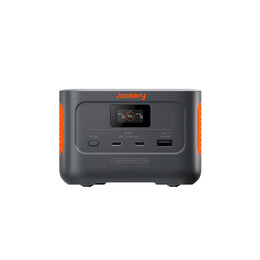
| Jackery Solar Generator 300 v2 + SolarSaga 40 Air | 288 Wh | 300 W | 40 W | 0.1 kWh | Storage / garden shed | $359 |
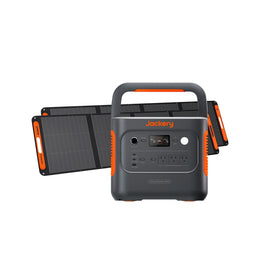
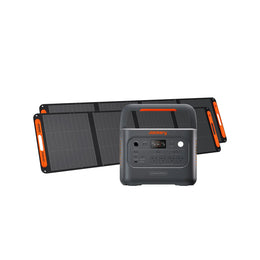
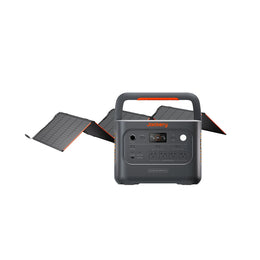
| Jackery Solar Generator 1000 v2 + SolarSaga 200W | 1,070 Wh | 1,500 W (3,000 W) | 200 W | 0.6 kWh | Hobby workshop, weekend use | $699 |
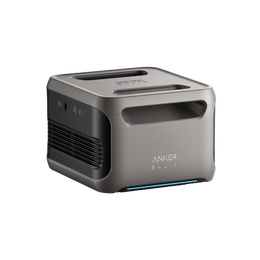
| Anker SOLIX C2000 Gen 2 + PS200 | 2,048 Wh | 2,400 W (4,000 W) | 200 W | 0.6 kWh | Workshop, weekend use | $1,299.99 |
| Jackery HomePower 2000 Plus v2 + 2x SolarSaga 200W | 2,048 Wh (expands to 12 kWh) | 2,400 W (4,800 W) | 400 W | 1.2 kWh | Workshop, regular use | $1,479 |
| Rich Solar 12V Complete Kit, 400 W | 1,280 Wh, self-heating | 2,000 W (4,000 W) | 400 W rigid | 1.2 kWh | Permanent storage shed or light workshop | $1,629.99 |
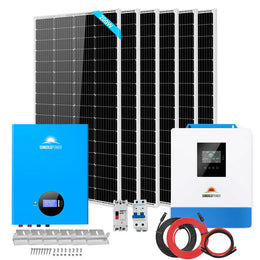
| Sungold SGKT-3PRO (24 V) | 5,120 Wh | 3,000 W (6,000 VA peak) | 800 W rigid | 2.4 kWh | Office shed, daily workshop | $2,237 |
| Rich Solar 12V Complete Kit, 800 W | 2,560 Wh, self-heating | 3,000 W (6,000 W) | 800 W rigid | 2.4 kWh | Workshop in a cold climate | $2,759.99 |
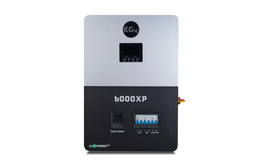
| Sungold SGM-5K5E (48 V) | 5,120 Wh | 5,000 W inverter (battery limits it - see below) | 1,200 W rigid | 3.6 kWh | Big workshop, room to grow | $2,831 |
Price per kWh is a quick way to compare value, but read it with the rest of the table: the Rich Solar kit looks expensive per kWh because it includes rigid roof panels, a separate charge controller, a 2,000 W inverter and a self-heating battery, while a power station packs everything into one box. The two Sungold kits are the cheapest storage by far, but they are permanent installs.
Our picks by shed type
Jackery Solar Generator 1000 v2 + SolarSaga 200W - $699
1,070 Wh of LiFePO4 storage and 1,500 W of output with a 3,000 W surge is enough for a circular saw, a drill charger, lights and a radio. The listing rates the station for up to 400 W of solar input, so you can add a second panel later for daily use. At 23.8 lb it also comes inside for a house outage or goes on a camping trip, which makes it the most flexible first shed system.
Jackery Solar Generator 300 v2 + SolarSaga 40 Air - $359

For a few LED lights, a radio and phone or tool-battery charging, 288 Wh and 300 W is enough, and the 40 W panel tops it up through the week. It is small enough to carry in one hand. If you also want to run a saw or a kettle, step up to the Solar Generator 1000 v2 kit above.
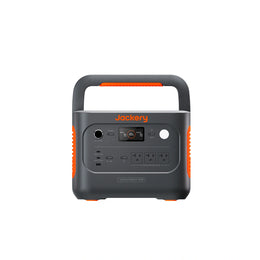
Jackery HomePower 2000 Plus v2 + 2x SolarSaga 200W - $1,479
2,048 Wh, 2,400 W continuous and a 4,800 W surge handle a miter saw or a small compressor, and the 400 W of panels refill about 1.2 kWh on an average day. The station expands to 12 kWh with Battery Pack 2000 Plus v2 units, so the same box can grow if the shed turns into a full-time workshop. If you want the same capacity for less and use the shed on weekends, the Anker SOLIX C2000 Gen 2 + PS200 ($1,299.99, 2,400 W, 4,000 W peak) is the alternative with half the panel wattage.
Rich Solar 12V Complete Kit with 400 W - $1,629.99
Two 200 W rigid panels on Z-brackets, a 30 A MPPT controller with Bluetooth, a 12.8 V 100 Ah ALPHA 1 battery with internal self-heating (so it can charge on cold mornings) and a 2,000 W pure sine inverter with 4,000 W surge. The listing estimates about 1.4 kWh of solar a day at 4 peak sun hours. It is the cleanest way to give a shed fixed lights and outlets that just work. Need more? The 800 W version ($2,759.99) doubles the panels and battery and steps up to a 3,000 W inverter.
Sungold SGKT-3PRO - 3,000 W, 5.12 kWh, 800 W of panels - $2,237
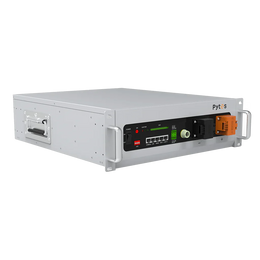
The best storage value in this guide at about $437 per kWh. A 3,000 W, 24 V inverter-charger (6,000 VA peak) with a built-in 80 A MPPT controller that accepts up to 4,000 W of solar, two 24 V 100 Ah LiFePO4 batteries with Bluetooth monitoring, and four 200 W panels. It also charges from the grid or a generator at 40 A and switches over in 10 ms, so a computer in the shed office never notices. 800 W of panels cover about 2.4 kWh a day - enough for an office without AC; add panels (the controller has room up to 4,000 W) for a mini-split.
Sungold SGM-5K5E - 5,000 W 48 V inverter, 5.12 kWh, 1,200 W of panels - $2,831
A 48 V system with six 200 W panels and one 5.12 kWh server-rack battery rated for 7,000 cycles. The inverter can take up to 5,000 W of solar, so this is the kit to start with if the shed may become a cabin or a full-time shop. One thing to know: the single battery is rated 50 A standard and 100 A maximum continuous, so with one battery plan on about 2.5 kW of steady load (about 4.8 kW peak); add a second battery to use more of the 5,000 W inverter.
Already have a battery and inverter? The Rich Solar 400 W charging kit ($799.99) is two 200 W panels with an MPPT controller and cables. Browse every option in solar kits for sheds, cabin solar kits, 400 W solar panel kits and small solar generators, or run your loads through our solar kit calculator.
Which kit for which shed
| Your shed | Daily use | Panels | Battery | Inverter | Start with |
|---|---|---|---|---|---|
| Lights and chargers only | 0.1-0.3 kWh | 40-100 W | 0.3-0.6 kWh | 300-500 W | Jackery 300 v2 or 600 v2 kit |
| Weekend hobby workshop | 0.5-1 kWh | 200 W | 1-2 kWh | 1,500-2,400 W | Jackery 1000 v2 kit or Anker C2000 Gen 2 + PS200 |
| Regular workshop | 1-2.5 kWh | 400-800 W | 2-5 kWh | 2,400-3,000 W | Jackery HomePower 2000 Plus v2 kit or Rich Solar 800 W kit |
| Office / studio, no AC | 1-2 kWh | 400-800 W | 2-5 kWh | 2,000-3,000 W | Sungold SGKT-3PRO |
| Office with mini-split, or a big shop | 3-6 kWh | 1,200-2,500 W | 5-10 kWh | 3,000-5,000 W | SGKT-3PRO + extra panels, or SGM-5K5E + a second battery |
Installing solar on a shed: what to plan for
- Roof strength and direction. A 200 W rigid panel weighs around 24 lb, plus brackets. Most framed sheds handle 2-4 panels; thin metal or resin roofs may need a ground mount instead. Face panels south (north in the southern hemisphere) and avoid shade from trees and the house - shade on one cell cuts output for the whole panel.
- Battery location. LiFePO4 batteries generally should not be charged below about 32°F unless they have self-heating, and they last longest out of summer heat. In a cold climate, pick self-heating batteries (the Rich Solar kits) or bring a power station inside in deep winter.
- Wire runs. Keep the battery-to-inverter cables short and thick, as supplied in the kits. Long low-voltage runs lose power; it is better to put the inverter in the shed and run 120 V to the outlets.
- Ventilation and clearance. Inverters and chargers make heat; mount them with the clearances in the manual, away from sawdust and solvents.
What buyers ask before powering a shed with solar
These questions come from searches that lead to our shed pages and from the questions Google shows for shed solar searches, answered with our current kits.
How much solar power do I need for my shed?
Add up the watt-hours you use per day and divide by (peak sun hours x 0.75). A shed with lights and chargers needs about 100 W; a hobby workshop about 300-450 W; a busy workshop or office shed 800 W or more; an office with a mini-split around 1.5-2.5 kW.
How many watts does a solar-powered shed need for power tools?
Check the inverter, not just the panels. Circular and miter saws run at 1,200-1,800 W, and compressors can need 3-4x their running watts to start. A 1,500 W station with 3,000 W surge handles a circular saw; a compressor wants 2,400-3,000 W continuous with a 4,800-6,000 W surge, like the HomePower 2000 Plus v2 or the SGKT-3PRO.
Is solar cheaper than running electricity to a shed?
Often, for small and mid-size sheds. Cost guides put a typical underground run at $1,000-$3,800 ($10-$25 per foot), while a solid tool-shed solar generator is $699 and a 5 kWh permanent kit is $2,237-$2,831. Grid power still wins for big continuous loads like electric heat or welding.
Can I plug a solar panel straight into a shed outlet?
No. Panels produce DC that has to go through a charge controller, a battery and an inverter (or a power station that combines them) before it can power 120 V outlets. Plug-in "balcony" style solar that feeds a house outlet is a different product and is not approved in most US areas.
What are the best solar panels for a shed?
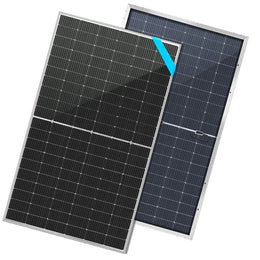
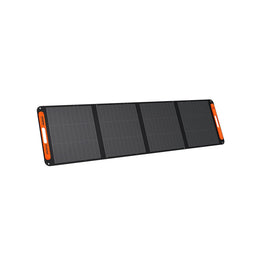
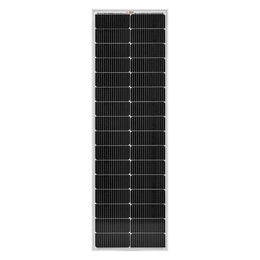
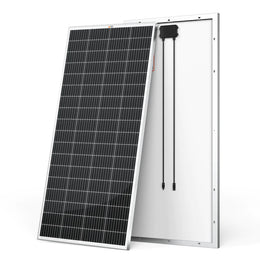
For a permanent roof mount, rigid monocrystalline 200 W panels like those in the Rich Solar and Sungold kits are the easiest to handle and mount. For a portable setup, folding panels from the same brand as your power station plug straight in, with no adapters.
FAQ
What size solar kit do I need for a shed?
For lights and chargers: 100 W of panels and a 0.5 kWh battery. For a hobby workshop: 200-400 W and 1-2 kWh with a 1,500-2,400 W inverter. For a daily workshop or office shed: 800 W or more, 2-5 kWh and a 3,000 W inverter.
How many solar panels does it take to power a shed?
Usually one to six 200 W panels. One panel covers lights and chargers, two (400 W) cover a hobby workshop most of the year, and four to six (800-1,200 W) cover a busy workshop or an office shed without air conditioning.
Can a solar generator run power tools in a shed?
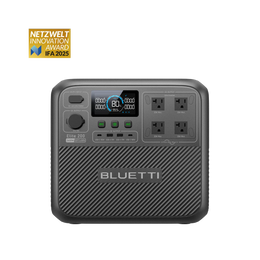
Yes, if its continuous output covers the tool's running watts and its surge covers the start. A 1,500 W unit like the Jackery Explorer 1000 v2 runs a circular saw; for miter saws and small compressors pick 2,400 W or more.
Can a shed solar system run an air conditioner or mini-split?
Yes, but it is the biggest load you can add. A small inverter mini-split can use 3-4 kWh on a hot day, so plan on 1.5-2.5 kW of panels and 5+ kWh of battery, such as the SGKT-3PRO with extra panels.
Do I need a permit for solar on a shed?
A portable power station with panels usually needs no permit. Fixed panels with wired outlets or a subpanel usually do; check with your local building department and have a licensed electrician do the AC wiring.
Will a shed solar kit work in winter?
Yes, with less output. Plan panels on 2-3.5 winter sun hours, keep batteries above freezing to charge (or choose self-heating batteries) and keep snow off the panels. Generator or wall charging covers long cloudy spells.
Related guides: what size solar generator do I need and best off-grid solar kits.

Serhii Dovzhenko, Solar & Energy Storage Specialist at Eco Solar Kits · LinkedIn
Serhii is based in Vancouver, BC, and works on product data, system sizing and buyer guides for Eco Solar Kits. He attends solar and energy storage industry conferences and is involved in the community of electricians in Vancouver, BC. Credit for the data verification in this guide goes to Adsec.ca.