


A portable solar panel is the cheapest way to stretch a power station from one charge to several days. The catch is that panels and stations are not all interchangeable. Each station accepts a set voltage range, a maximum wattage and one type of plug. This guide ranks seven folding and portable panels from 40W to 400W that are in stock at Eco Solar Kits today, shows the sizing math, and lists which panel fits which station. If you have not picked a station yet, start with our guide to what size solar generator you need.
Three checks before you buy a panel
Every power station lists three solar input limits. A panel has to pass all three.
- Voltage window. The panel's open-circuit voltage (Voc) must stay inside the station's input range, for example 12 to 60 V. Too low and charging never starts. Too high and you can damage the input. Voc rises in cold weather, so we add 14% for freezing mornings.
- Watt and amp cap. A station with a 400W solar input takes 400W no matter how much panel you connect. Extra panel helps on cloudy days but is wasted in full sun.
- Connector. Jackery uses a DC8020 barrel plug, Anker SOLIX uses XT-60, and most other brands accept MC4 through an adapter cable. Same-brand panels plug straight in. Mixed brands need the right adapter.
Wiring two panels in series adds their voltages; parallel adds their amps. Our series vs parallel wiring guide has the full voltage math.
How many watts you need (sizing math)
We use one formula across our guides: daily Wh = panel watts x peak sun hours x 0.77. The 0.77 factor covers heat, panel angle, cable loss and the station's charge efficiency. At 4.5 peak sun hours, a common three-season US average, a 100W panel delivers about 347 Wh per day and a 200W panel about 693 Wh.

To see how long a refill takes, divide the battery size by the panel's real output: sun hours to refill = battery Wh / (panel watts x 0.77).
| Panel size | Wh per day (4.5 sun h) | 300 Wh station | 1,000 Wh station | 2,000 Wh station | 3,000 Wh station |
|---|---|---|---|---|---|
| 40W | 139 | 9.7 sun h | 32 sun h | - | - |
| 100W | 347 | 3.9 sun h | 13.0 sun h | 26 sun h | - |
| 200W | 693 | 1.9 sun h | 6.5 sun h | 13.0 sun h | 19.5 sun h |
| 400W | 1,386 | - | 3.2 sun h | 6.5 sun h | 9.7 sun h |
| 800W | 2,772 | - | - | 3.2 sun h | 4.9 sun h |
Read it this way: 6.5 sun hours is about a day and a half of good weather. A dash means the pairing makes little sense, either because the panel is too small or because it exceeds what stations of that size accept.
The one-day rule. To refill a station from empty in one good day, you need about battery Wh / 3.5 watts of panel. That is roughly 290W for 1,000 Wh, 580W for 2,000 Wh and 865W for 3,000 Wh.
The daily-use rule. You rarely drain a station to zero. Size the panel to replace what you use each day instead. A full-size fridge uses about 1,300 Wh per day, so it needs 1,300 / 3.5 = about 375W of panel, which is two 200W panels. A CPAP, phones and a few lights use about 500 Wh, which one 200W panel covers with margin. In December, many northern states get only 2 to 2.5 sun hours, so plan on half the summer output. Our winter outage guide covers that case.
Which panel fits which power station
These are the stations in stock today and the panels that match their inputs. Input figures come from each station's listing.
| Power station | Solar input | Plug | Best match |
|---|---|---|---|
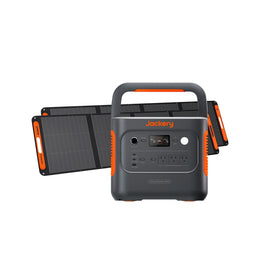
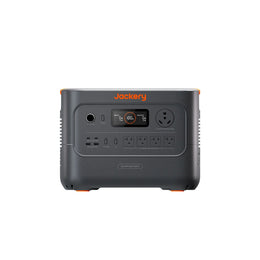
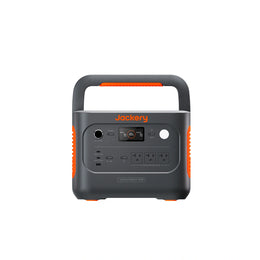
| Jackery Explorer 1000 v2 ($559) | 400W, 16-60 V, two ports | DC8020 | 1 or 2 x SolarSaga 200W |
| Jackery Explorer 2000 v2 ($999) | 400W | DC8020 | 2 x SolarSaga 200W |
| Jackery HomePower 3000 ($1,499) | 1,000W | DC8020 | 2 x SolarSaga 200W (sold as a kit) |
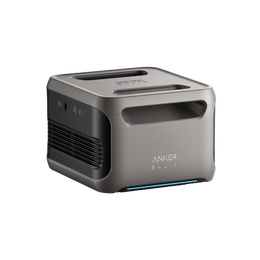
| Anker SOLIX C1000 Gen 2 ($549.99) | 600W, 11-60 V | XT-60 | Anker PS100, or one 350-400W MC4 panel with an MC4 to XT-60 cable |
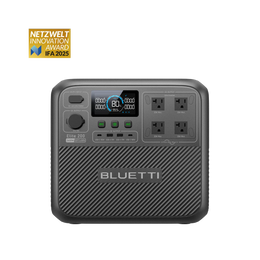
| Bluetti Elite 200 V2 ($899) | 1,000W, 12-60 V, 20 A | MC4 via the solar cable | BLUETTI PV350, PV200 or Solar Move 400W |
| Mango Power E ($1,299) | 2,000W, 60-150 V | MC4 | 2 or 3 x Solar Move 400W in series |
The voltage math, with Voc raised 14% for cold: one Solar Move 400W is 40.8 V (46.5 V cold), so it fits a 12-60 V input but is too low for the Mango Power E, which needs 60 V to start. Two in series reach 81.6 V (93 V cold) and three reach 122.4 V (140 V cold), both inside the E's 150 V limit. One BLUETTI PV350 is 46.5 V (53 V cold) and fits a 60 V input; two in series would be 93 V, so on a 60 V station wire a pair in parallel instead. Two PV200 panels in series come to 52.2 V, or 59.5 V on a freezing morning, which is too close to a 60 V limit. Wire those in parallel too.
7 portable solar panels compared
| Panel | Watts | Price | $ per W | Weight | Voc | Plug | Rating | Warranty |
|---|---|---|---|---|---|---|---|---|
| Jackery SolarSaga 200W | 200 | $429 | $2.15 | 14.3 lb | 22 V | DC8020 | IP68 | 3+2 yr |
| Mango Power Solar Move 400W | 400 | $599 | $1.50 | 17.2 lb | 40.8 V | MC4 | IP67 | 18 mo |
| Anker SOLIX PS100 Bifacial | 100 | $249.99 | $2.50 | 6.2 lb | 21.6 V output | XT-60 | IP68 | 5 yr |
| BLUETTI PV350 | 350 | $629.99 | $1.80 | 30.6 lb | 46.5 V | MC4 | Splash-proof | 12 mo |
| BLUETTI PV200 | 200 | $384.99 | $1.92 | 16.1 lb | 26.1 V | MC4 | Not listed | 24 mo |
| Jackery SolarSaga 100 Prime | 100 | $199 | $1.99 | 13.2 lb | 22.7 V | Anderson + DC8020 adapter | IP68 | 3+2 yr |
| Jackery SolarSaga 40 Air | 40 | $129 | $3.23 | 2.0 lb | 25 V | DC8020 + USB | IP68 | 1+2 yr |

Price per watt favors big panels. Watts per pound tell a different story: the Solar Move 400W gives about 23 W per lb, the 40 Air 20, the PS100 16, the SolarSaga 200W 14 and the PV350 about 11. If you carry the panel any distance, weight matters as much as price. None of these seven panels is covered by a discount code today, so the listed prices are the prices.

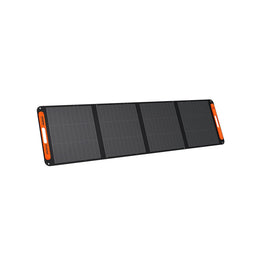
A folding panel earns its keep on trips longer than one battery charge. Aim it at the sun and keep it out of the vehicle's shadow.
The 7 best portable solar panels in stock
1. Jackery SolarSaga 200W

$429 (list $472, no code) - $2.15 per watt
The right size for 1 to 2 kWh stations, and the panel Jackery bundles with most of its kits. TOPCon bifacial cells reach up to 25% efficiency, and the rear side adds output from light reflected off sand, snow or concrete. It folds to about 24 x 24 in, weighs 14.3 lb, is rated IP68, and has USB-A and USB-C ports for charging a phone straight from the panel. The 3 m cable ends in a DC8020 plug that fits current Jackery stations. Expect about 690 Wh on a 4.5 sun-hour day.
- IP68 and bifacial
- 14.3 lb for 200W
- 3+2 year warranty as listed
- DC8020 plug suits Jackery first
- Not the cheapest per watt
2. Mango Power Solar Move 400W

$599 (list $719, no code) - $1.50 per watt
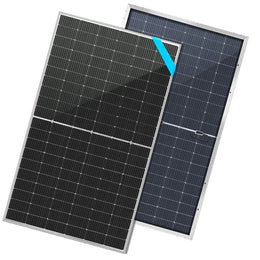
The most watts for the money and for the weight: 400W at 17.2 lb. It has standard MC4 leads, 23% monocrystalline cells and an IP67 rating, and folds to 38 x 24 x 2.6 in. At 40.8 V open circuit, one panel suits any station with a 12-60 V MC4 input. The Mango Power E needs at least two in series. Expect about 1,390 Wh per panel on a 4.5 sun-hour day. No cable or stand details are listed beyond the carry case, so plan on an MC4 extension cable.
- $1.50 per watt
- About 23 W per lb
- Standard MC4
- 18-month warranty
- 8 ft long unfolded
- Too low in voltage alone for the Mango Power E
3. Anker SOLIX PS100 Bifacial

$249.99 (list $399.99, no code) - $2.50 per watt
At 6.2 lb, this is the 100W panel to carry. N-type cells above 25% efficiency, a rear side that adds up to 10% and an IP68 rating make it the best-specified small panel we stock. The box includes an XT-60i cable, so it plugs straight into the Anker SOLIX C1000 Gen 2. One panel refills that 1,024 Wh station in about 13 sun hours, so treat it as a top-up panel or buy two.
- 6.2 lb, IP68
- 5-year warranty
- XT-60i cable included
- $2.50 per watt
- Stand angle is fixed near 35 degrees
4. BLUETTI PV350

$629.99 (2 for $1,198, no code) - $1.80 per watt
One PV350 puts 350W into a 12-60 V input without any series wiring: 37.5 V at max power, 46.5 V open circuit. That makes it a clean match for the Bluetti Elite 200 V2, which it refills in about 7.7 sun hours. Two in parallel draw about 18.4 A at max power, inside that station's 20 A limit. ETFE surface, built-in kickstand, 3 m cable, MC4 plugs. It is heavy at 30.6 lb and the listing calls it splash-proof, not waterproof.
- 350W from one panel
- Fits 60 V inputs in the cold
- Standard MC4
- 30.6 lb
- 12-month warranty
- Splash-proof only
5. BLUETTI PV200

$384.99 (2 for $769.99, no code) - $1.92 per watt
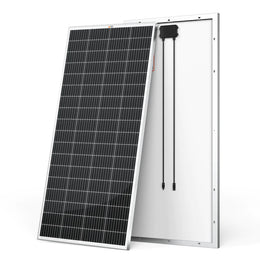
The 200W choice when your station takes MC4. It is $44 less than the SolarSaga 200W and works with most brands through their solar cable. Cells are rated up to 23.4%, the surface is ETFE, and it folds to 23 x 25 in at 16.1 lb. At 26.1 V open circuit, one panel is safe on any 12-60 V input. Wire two in parallel, not series, on a 60 V station. The listing gives no IP rating, so keep it out of heavy rain.
- Standard MC4
- 24-month warranty
- Lower price than most 200W folders
- No IP rating listed
- Not bifacial
6. Jackery SolarSaga 100 Prime

$199 (list $219, no code) - $1.99 per watt
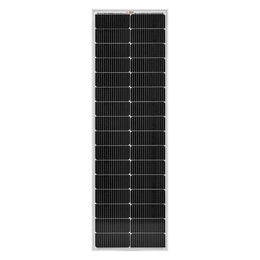
Not a folding panel. The 100 Prime is a one-piece, semi-flexible panel (38.8 x 21.7 in, 13.2 lb) that ships with a Z-bracket kit for an RV roof, van or cabin wall. It is IP68, rated from -40F to 185F and has the lowest price of any 100W panel here. The Anderson output comes with a DC8020 adapter for Jackery stations, and Jackery's Y connectors let you wire several together. Choose it when the panel will stay in one place.
- $199
- Mounting brackets included
- IP68, 3+2 year warranty as listed
- Does not fold
- 13.2 lb for 100W
7. Jackery SolarSaga 40 Air

$129 (no code) - $3.23 per watt
Two pounds, folds to 9 x 13 in, and charges a phone directly from its USB-A and USB-C ports. It is the match for a 300 Wh station such as the Jackery Explorer 300 v2, which it refills in roughly 9 to 10 sun hours. On a 1,000 Wh station it only slows the drain. Buy it for hiking, bikepacking and keeping phones and lights alive, not for running a fridge.
- About 2 lb
- IP68
- USB ports on the panel
- Highest price per watt
- Too small for stations above 300 Wh
Also in stock: the Jackery SolarSaga 100 Air ($299, 7.05 lb, IP68), a folding bifacial 100W. Its listing says it is not for the Explorer 300 v2, 300, 300D or 240D. See every model in the portable solar panels collection.
Panel alone or station-and-panel kit?
If you do not own a station yet, price the kit first. Bundles usually cost less than the parts bought separately, and the cable is guaranteed to fit.
| Kit | Kit price | Parts bought separately | Kit saves |
|---|---|---|---|
| Jackery Solar Generator 1000 v2 + SolarSaga 200W | $879 | $559 + $429 = $988 | $109 |
| Jackery Solar Generator 2000 v2 + 2 x SolarSaga 200W | $1,399 | $999 + $858 = $1,857 | $458 |
| Jackery HomePower 3000 + 2 x SolarSaga 200W | $2,149 | $1,499 + $858 = $2,357 | $208 |
| Mango Power E Kit Pro + 2 x Solar Move 400W | $2,299 | $1,299 + $1,198 = $2,497 | $198 |
If you already own the station, buy the panel alone and check the three limits above. For station picks by size, see our guides to the best 1000Wh power stations and the best 2000W power stations, or the camping and CPAP guide.
Setup tips that add real watts
- Aim it. A panel lying flat can lose a quarter of its output or more. Tilt it toward the sun and re-aim two or three times a day.
- Avoid partial shade. A shadow across one section can cut the whole panel's output sharply. Move the panel, not the station.
- Keep the station cool. Run the cable out and leave the station in the shade. Batteries charge slower when hot.
- Do not charge through glass. A windshield or window blocks a large share of the light.
- Use the cable that came with it. Long, thin extension cables waste power at the low voltages most folding panels run at.
- Expect 70 to 80% of the label. A 200W panel showing 140 to 160W in good sun is working normally.
- Secure it. Folding panels catch wind. Stake or weigh down the stands.
What buyers ask before choosing a portable panel
These questions come from Google searches that led shoppers to our store and from the questions Google shows for this topic.
Can a briefcase solar panel charge a power station?
Only if it has no charge controller in the path. Briefcase kits such as the Rich Solar MEGA 100 briefcase ($229.99) have a 10 A controller built in for charging a 12V battery directly. That is ideal for an RV or boat battery. For a power station, pick a panel without a controller.
Is there a 500 watt portable solar panel?
Yes. The Jackery SolarSaga 500 X ($999) folds out to six sections for 500W at about 22 lb. It is a pre-order item this month, not in stock, so we left it out of the ranked picks. Two SolarSaga 200W panels deliver 400W today.
Are bifacial portable panels worth it?
A little. The listings quote up to 10% more for the Anker PS100, and Jackery rates the SolarSaga 200W at 225W with rear-side light. You only see that gain over bright ground such as sand, snow or pale concrete. Over grass, treat it as a standard panel.
Can I use a rigid roof panel instead of a folding one?
Yes, and it is a question we get by email. Rigid panels cost far less per watt. The same three checks apply: Voc inside the station's window, watts within its cap, and an MC4 adapter for its plug. Our 1000-watt solar panel setup guide shows the string math.
FAQ
What size solar panel do I need for a power station?
Divide the battery's watt-hours by 3.5 to get the panel watts that refill it in one good day. A 1,000 Wh station needs about 290W, a 2,000 Wh station about 580W. If you only replace daily use, a 200W panel covers about 690 Wh per day at 4.5 sun hours.
Can I use any solar panel with any power station?
No. The panel's open-circuit voltage must sit inside the station's input range, the wattage should not be far above the station's solar cap, and the plug has to match or be adapted. Same-brand panels are plug and play. Mixed brands work when voltage, watts and connector all check out.
How long does a 200W panel take to charge a 1,000 Wh power station?
About 6.5 peak sun hours, which is roughly a day and a half of good weather. The math is 1,000 Wh / (200W x 0.77) = 6.5 hours. Two 200W panels cut that to about 3.2 sun hours if the station accepts 400W.
Can I leave a portable solar panel out in the rain?
IP67 and IP68 panels, such as the Jackery SolarSaga and Anker PS100 models and the Mango Solar Move 400W, handle rain and dust. Panels listed as splash-proof or with no rating should come in during heavy rain. Keep the power station itself dry in every case.
Can I connect two portable panels together?
Yes, if the station's input allows it. Series wiring adds voltage and parallel wiring adds amps. Check the combined open-circuit voltage with 14% added for cold against the station's maximum, and the combined amps against its current limit. Use panels of the same model.
Why does my 100W panel only make 70 watts?
Label watts are measured in lab conditions: 1,000 W per square meter of light at 77F cell temperature. Real sun, heat, tilt and cable losses typically bring output to 70 to 80% of the label. Aim the panel squarely at the sun and clear any shade to get the most from it.

Serhii Dovzhenko, Solar & Energy Storage Specialist at Eco Solar Kits · LinkedIn
Serhii is based in Vancouver, BC, and works on product data, system sizing and buyer guides for Eco Solar Kits. He attends solar and energy storage industry conferences and is involved in the community of electricians in Vancouver, BC. Credit for the data verification in this guide goes to Adsec.ca.


