

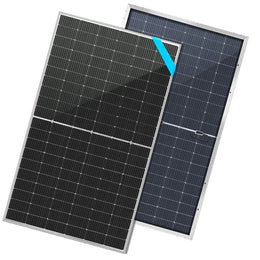
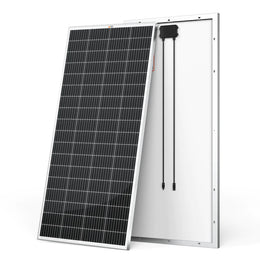
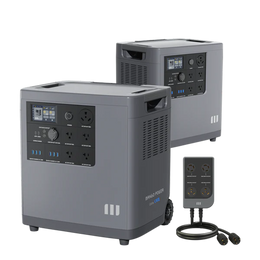
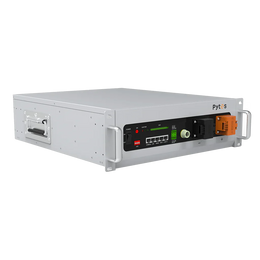
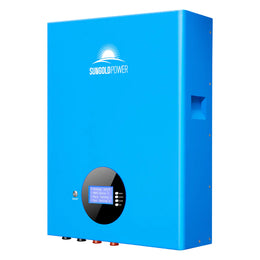
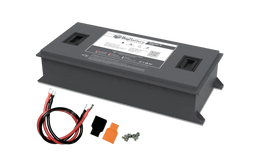

Gas generators have been the default answer to power outages for decades: they are cheap to buy, put out a lot of power and run as long as you keep feeding them fuel. Solar generators - a lithium battery power station charged by solar panels - turned that around in the last few years. They now deliver 3,600-7,200 watts, plug into a home transfer switch and recharge from the sun without a drop of fuel.
This guide compares the two honestly: upfront cost, cost per outage day, how long each runs, noise, safety and maintenance. You will get the sizing math to decide which one fits your home, the cases where gas still wins, and our in-stock picks for every budget. All prices are our store prices before any discount code, checked October 31, 2026.
Solar generator vs gas generator at a glance
| Factor | Solar generator (power station + panels) | Gas generator (portable) |
|---|---|---|
| Upfront price for home backup | $700-$3,200 for 2-5 kWh stations; transfer-switch kits from $1,899 | Typically $800-$2,000 for 4,000-9,000 W portables, plus switch or inlet |
| Fuel cost | $0 from the sun; a few cents per kWh from the grid before a storm | Roughly 0.3-0.75 gal per hour depending on size and load |
| Runtime | Limited by battery size; solar adds energy every sunny day | As long as you have fuel and can safely refill it |
| Power output | 1,500-7,200 W continuous, 120V or 120/240V on larger units | 3,000-12,000 W, 240V common on larger units |
| Noise | About 16-30 dB per listings (fans only) | Typically 55-75 dB at 23 ft |
| Where it can run | Indoors - no exhaust | Outdoors only, at least 20 ft from doors, windows and vents |
| Maintenance | Keep it charged, update firmware | Oil changes, fuel stabilizer, spark plug, carburetor care, monthly test runs |
| Switchover | Many units act as a UPS (0-20 ms per listings) | Manual start and switch, or auto-start on standby units |
| Lifespan | 3,000-6,000 LiFePO4 cycles per listings - often 10+ years of outage use | Often 1,000-3,000 running hours for portables, depending on care |
The short version: a gas generator wins on raw power and unlimited runtime if fuel is available; a solar generator wins on cost of ownership, convenience and safety. Most homeowners have short outages - a few hours to two days - and that is where a solar generator shines.
Cost: purchase price vs cost per outage
A portable gas generator looks cheaper on the shelf. The gap narrows as soon as you add a transfer switch or inlet box (needed with either option for a safe home connection), and it closes over a few years once you count fuel and upkeep.
Here is the math for essentials backup with 20 outage days over five years, using typical figures for a 5,000 W gas inverter generator:
- Gas: about $1,400 for the generator plus about $500 for a transfer switch and inlet. At 7 gallons a day (24-hour running at a light load) and $3.50 a gallon, 20 outage days cost about $490 in fuel, plus about $35 for monthly test runs. Oil, plugs and stabilizer add roughly $60 a year. Five-year total: about $2,725.
- Solar: the Anker SOLIX F3000 + 6-circuit transfer switch kit (sold out) is $1,898.99, and the Jackery HomePower 3600 Pro Max (sold out) is $1,799 (transfer switch and install extra). No fuel, no oil. Five-year total: the purchase price.
There is a catch the chart does not show: the gas generator can keep going for a week if you can buy fuel, while a 3 kWh station needs sun or a recharge to do the same. That is why sizing matters more than price.
Sizing math: how much energy does your outage need?
Gas generators are sized in watts. Solar generators are sized in watts and watt-hours, because the battery holds a fixed amount of energy. Use these three steps.
- Add up your running watts and surge. List what must run at the same time. A fridge runs at about 150-200 W but starts at 600-1,200 W; a furnace blower runs at 400-800 W; a 1/2 hp well pump can surge past 2,000 W. Your station's continuous rating must cover the running total and its surge rating the largest motor start. Our guide to what size solar generator you need has a full appliance table.
- Estimate daily energy (Wh). A typical essentials day looks like this: refrigerator 1,500 Wh, chest freezer 1,000 Wh, lights, router and phones 1,000 Wh, furnace fan or sump pump 1,500 Wh, microwave and coffee 1,000 Wh = about 6,000 Wh (6 kWh) a day.
- Match battery + solar to the outage. Usable energy is about 85% of the rated Wh. Solar adds panel watts x sun hours x 0.75 per day. Example: a 3,584 Wh HomePower 3600 Pro Max gives about 3,050 Wh; 1,000 W of panels at 4.5 sun hours adds about 3,400 Wh a day. That covers a 6 kWh day with margin on sunny days - and the battery carries you through a cloudy one.
Compare that with gas: a 5,000 W inverter generator running 24 hours to supply the same 6 kWh burns 6-8 gallons, because it idles at a low load most of the day. A power station only spends energy when something is actually drawing power. If you are mainly protecting food, see how long a power station runs a refrigerator.
Noise, safety and convenience

Carbon monoxide is the biggest difference. Portable generators are the leading consumer product in the US Consumer Product Safety Commission's carbon monoxide death reports, and most incidents happen when a generator runs in a garage, basement or too close to a window. Safety agencies advise running gas generators outdoors only, at least 20 feet from the house with the exhaust pointed away, and installing battery CO alarms. A power station has no exhaust and can sit next to the fridge.
Noise matters at night and in neighborhoods. Open-frame gas generators typically measure around 70 dB at 23 feet - loud enough that some HOAs and campgrounds limit their hours. The power stations we carry list 16-30 dB, quieter than a whisper at close range.
Fuel is the hidden chore. Gasoline goes stale in a few months without stabilizer, gas stations need grid power to pump, and storing 20-30 gallons for a long outage has its own fire risk. A power station can sit at 80-100% charge for months and be ready when the lights go out - some, like the HomePower 3600 Pro Max, switch over instantly as a UPS so computers and medical devices never notice.
When a gas generator still makes sense
- Long outages with little sun: winter storms in the north or a week of cloud after a hurricane can outpace solar recharge.
- Heavy 240V loads: central AC, electric ranges, electric water heaters and large well pumps add up quickly. A 7,200 W solar generator can start a central AC up to 5 tons per its listing, but running it for hours drains even 5 kWh fast.
- Tight budget for big wattage: watt for watt, a gas generator is still the cheapest way to get 8,000+ W.
The best answer for many homes is both. Run the house from the power station, and when the battery gets low on a cloudy day, start a small gas inverter generator for two or three hours to recharge it. The generator then runs at its most efficient load for a short time instead of idling all night, and you buy and store far less fuel. Check your station's manual for generator compatibility; inverter generators with clean sine-wave output work best.
The best solar generators to replace (or back up) a gas generator
All picks are active and in stock today. Prices are store prices before codes, checked October 31, 2026.
| Model | Battery | Output / surge | Voltage | Noise (listing) | Price |
|---|---|---|---|---|---|
| Jackery HomePower 3600 Pro Max (sold out) | 3,584 Wh | 4,000 W (240V) / 2,000 W (120V) (8,000 W) | 120/240V | - | $1,799 |
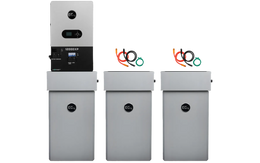
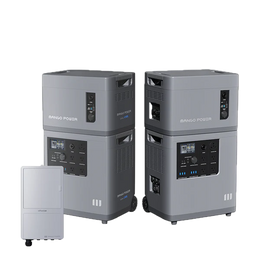
| Mango Power E 240V kit (2 units + mSocket Pro) | 7,060 Wh | 6,000 W | 120/240V | - | $2,599 |
| Mango Power E home kit with mPanel Pro | 14,120 Wh | 6,000 W | 120/240V | - | $4,899 |
| Anker SOLIX F3000 + 6-circuit switch (sold out) | 3,072 Wh | 3,600 / 7,200 W | 120V | - | $1,898.99 |
| Anker SOLIX C2000 Gen 2 + PS200 (sold out) | 2,048 Wh | 2,400 / 4,000 W | 120V | 30 dB | $1,299.99 |
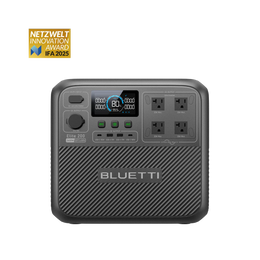
| Bluetti Elite 200 V2 | 2,073.6 Wh | 2,600 W (3,900 W resistive mode) | 120V | 16 dB light load | $899 |
| Anker SOLIX S2000 (sold out) | 2,010 Wh | 1,500 / 3,000 W | 120V | 30 dB | $699.99 |
Jackery HomePower 3600 Pro Max - 3,584 Wh, true 240V - $1,799 (sold out)

One unit gives true 240V: 4,000 W at 240V (8,000 W surge) through a NEMA 14-50 outlet, or 2,000 W on its 120V outlets. 3,584 Wh of LiFePO4 rated for 6,000 cycles runs a fridge, lights, internet and a furnace blower through a long evening, and add-on battery packs take it to 21.5 kWh (43 kWh with two units in parallel). A sub-10 ms UPS keeps computers on through a grid drop, and it connects to household circuits through a manual transfer switch.
Mango Power E 240V kit (2 units + mSocket Pro) - 7,060 Wh, 6,000 W - $2,599

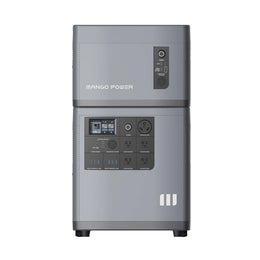
Two Mango Power E units joined by the included mSocket Pro give 6,000 W of combined output on a 240V split-phase receptacle and 7,060 Wh of LiFePO4 storage - enough for a well pump or other 240V load plus the usual essentials. Each unit takes up to 2,000 W of solar (4,000 W total), the cells are rated for 6,000 cycles, and at $2,599 the kit works out to about $368 per kWh.
Mango Power E home kit with mPanel Pro - 14,120 Wh, 6,000 W, 240V - $4,899

The largest plug-in system we carry: two Mango Power E units, two expansion batteries and the mPanel Pro home panel in one package - 14,120 Wh of storage and 6,000 W of 120/240V split-phase output, enough to back up whole home circuits rather than a few outlets. Each unit accepts up to 2,000 W of solar. The mPanel Pro is wired into your home circuits, so plan on a licensed electrician. At $4,899 it is about $347 per kWh.
Anker SOLIX F3000 + 6-Circuit Manual Transfer Switch - $1,898.99 (sold out)
The lowest-priced transfer-switch kit in our range: 3,600 W output (7,200 W surge), 3,072 Wh of LiFePO4, 2,400 W of dual-MPPT solar input and expansion up to 12.3 kWh with BP3000 batteries. At $1,898.99 it costs about the same as a gas inverter generator plus switch parts - and you never buy fuel. Two units can be paired for 240V with Anker's double-voltage hub.
Anker SOLIX C2000 Gen 2 + PS200 200W Panel - $1,299.99 (sold out)
For apartments, condos or anyone backing up a fridge, internet and lights, this 41.7 lb kit replaces a small gas generator outright. It delivers 2,400 W (4,000 W surge) from 2,048 Wh, includes a 200 W bifacial panel, switches over in 10 ms and runs at 30 dB. Anker lists up to 64 hours for a dual-door fridge on battery alone, and the BP2000 battery doubles capacity later.
Anker SOLIX S2000 - $699.99 (sold out)
A 2,010 Wh station rated for 6,000 cycles at about the price of a basic gas generator. 1,500 W continuous (3,000 W surge) covers a fridge, CPAP, router and lights, and Anker lists up to 35 hours of refrigerator backup. It recharges to 80% in about 1.2 hours from the wall, weighs 35.7 lb and runs at 30 dB - easy to keep in a kitchen corner year-round.
Which one should you buy?
| Your situation | Typical outage | Best choice |
|---|---|---|
| Fridge, internet, lights, CPAP in an apartment or condo | Hours to 1 day | Solar: Anker S2000 (sold out) or C2000 Gen 2 + PS200 (sold out) |
| House essentials on circuits (fridge, furnace fan, sump pump) | 1-3 days | Solar: Jackery HomePower 3600 Pro Max (sold out) or F3000 + switch (sold out) |
| 240V well pump, rural home | 1-3 days | Solar: Mango Power E 240V kit (2 units + mSocket Pro) with panels |
| Central AC or most of the house | 1-3 days | Solar: Mango Power E home kit with mPanel Pro with battery packs |
| Winter storms or hurricanes, outages of 5+ days | 5-14 days | Hybrid: any of the above + a small gas inverter generator to recharge |
| Want automatic whole-home backup | Any | Large solar generator kit or a standby generator - see our best solar generators for home backup |
What buyers ask before choosing solar over gas
These questions come from searches that bring people to our store and from Google's related-question results for this topic. Answers use the products and prices above.
"What is the best non-gas generator for a home?"
For most houses, a 3-5 kWh solar generator with a transfer switch. The Anker SOLIX F3000 kit with a 6-circuit transfer switch ($1,898.99) is the best all-round choice for 120V essentials; the Jackery HomePower 3600 Pro Max ($1,799) or the Mango Power E 240V kit ($2,599) if you need 240V. Browse all recommended solar generators for home backup.
"Is there a generator that runs on both solar and gas?"
Dual-fuel usually means gas and propane. A solar-plus-gas setup works best as two pieces: a power station that takes solar input, plus a gas or propane inverter generator that plugs into the station's AC input to recharge it. You get quiet solar power most of the time and fuel only as a reserve.
"Can a solar generator run a whole house?"
Larger ones can run most of it for a limited time. The Mango Power E home kit puts out 6,000 W at 240V with 14.1 kWh of storage and an mPanel Pro home panel. For days of whole-home use with central AC, you need either a lot of battery and solar, or a gas generator in the mix.
"What is a quiet alternative to a gas generator for camping?"
Any power station in this guide - they run at 16-30 dB per their listings, so they are welcome at campgrounds with quiet hours. The C2000 Gen 2 + PS200 kit (sold out) is light enough to carry and includes a panel; for more options see our solar power generators collection.
FAQ
Is a solar generator better than a gas generator?
For outages of up to two or three days, usually yes: no fuel, no carbon monoxide, safe indoors, near-silent and almost no maintenance. A gas generator is better for long outages with little sun or for running heavy 240V loads for many hours. Many homes use a solar generator as the main backup and a small gas generator as a reserve.
How long will a solar generator run my house?
Divide usable battery energy (about 85% of rated Wh) by your average load. An essentials load of about 6 kWh a day uses a 3,584 Wh station in about half a day; 1,000 W of solar panels adds about 3,400 Wh on a sunny day at 4.5 sun hours, which can keep a 5 kWh station going indefinitely in good weather.
Is a solar generator cheaper than a gas generator over time?
Often, yes. A gas inverter generator with switch parts costs about $1,900 upfront and roughly $825 more in fuel and upkeep over five years at 20 outage days. The Anker F3000 transfer-switch kit costs $1,898.99 and needs no fuel or oil.
Can I run a solar generator indoors?
Yes. Power stations have no engine or exhaust, so they are safe indoors. Keep them ventilated and away from heat sources. Gas generators must never run indoors, in a garage or near windows, because of carbon monoxide.
Can I charge a solar generator with a gas generator?
Yes, most power stations accept AC input from a generator. An inverter generator with clean sine-wave output is the safest match; check the station's manual for input limits.
Can a solar generator run a refrigerator during an outage?
Yes. A 2 kWh station like the Anker S2000 runs a typical fridge for well over a day, and Anker lists up to 35 hours. Larger 3-5 kWh units also handle the fridge's startup surge alongside other loads.
Do I need a transfer switch for a solar generator?
Only if you want to power hardwired circuits like a furnace, well pump or lights. Plugging appliances directly into the station needs no switch. Any connection to home wiring must go through a transfer switch or interlock installed by a licensed electrician - never backfeed through an outlet.
Still deciding on size? Try the solar kit calculator, read what size solar generator do I need, or browse solar generators for home backup.

Serhii Dovzhenko, Solar & Energy Storage Specialist at Eco Solar Kits · LinkedIn
Serhii is based in Vancouver, BC, and works on product data, system sizing and buyer guides for Eco Solar Kits. He attends solar and energy storage industry conferences and is involved in the community of electricians in Vancouver, BC. Credit for the data verification in this guide goes to Adsec.ca.


